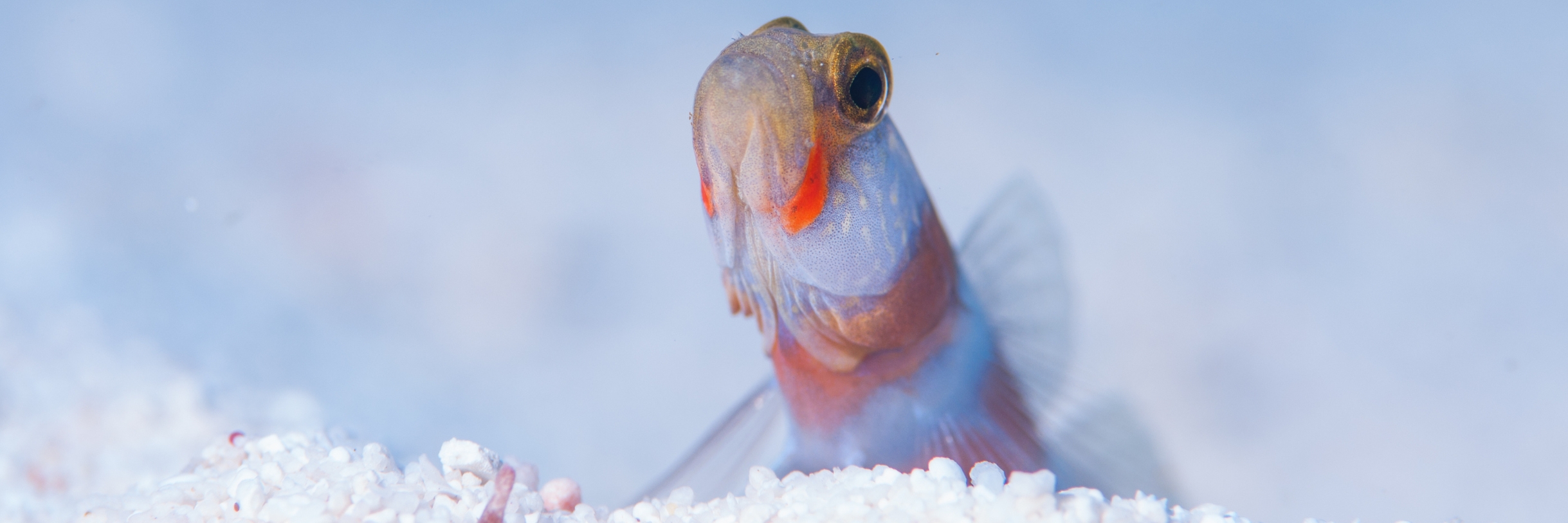
“The goby is the reef’s everywhere fish — tiny, often overlooked, and one of the most ecologically important creatures in the whole system.”
Gobies of the Great Barrier Reef – The Reef’s Unsung Heroes
Gobies are one of the most diverse and ecologically significant fish families on the Great Barrier Reef. With over 2,000 species in the Gobiidae family globally, and dozens of species present on the Great Barrier Reef alone, they occupy almost every micro-habitat the reef offers — from sand flats and seagrass beds to coral rubble zones and the burrows of pistol shrimps.

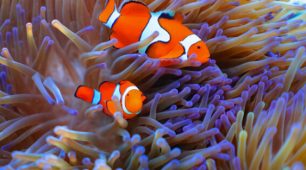
About Gobies
• Scientific name: Family Gobiidae
• Also known as: Goby fish
• Found in: Coral reefs, sandy bottoms and reef crevices
• Diet: Small invertebrates and plankton
• Average size: 3–10 cm
• Conservation status: Least Concern (varies by species)
• Best chance of sighting: Shallow coral gardens and sandy reef flats
What Are Gobies?
The Gobies Great Barrier Reef species group includes some of the smallest yet most fascinating fish on the reef. Although easy to overlook due to their size, they play an important role in reef ecosystems and often form unique relationships with other marine creatures.
Gobies are small, bottom-dwelling fish that dart quickly between coral branches, sandy burrows and reef crevices. Many species display bright colours, subtle patterns or translucent bodies that help them blend into their surroundings.
Despite their tiny size, gobies contribute significantly to reef biodiversity and form part of the complex food web that supports the Great Barrier Reef.
Scientific Classification
Scientific Classification
• Kingdom: Animalia
• Phylum: Chordata
• Class: Actinopterygii
• Order: Gobiiformes
• Family: Gobiidae
• Genus: Various (over 200 genera worldwide)
• Species: Numerous species found on the Great Barrier Reef
• Conservation Status: Least Concern (varies by species)
Where Do Gobies Live on the Great Barrier Reef?
Gobies inhabit a wide range of reef habitats, including:
• Coral branches
• Sandy lagoon floors
• Reef flats
• Seagrass beds
• Burrows shared with shrimp
Some gobies form partnerships with pistol shrimp. The shrimp digs and maintains a burrow, while the goby stands guard and warns of approaching danger. This remarkable symbiotic relationship is a highlight for observant divers.
You will commonly find gobies in shallow reef environments near Cairns and Port Douglas.
What Do They Eat?
Gobies feed on:
• Small crustaceans
• Plankton
• Tiny invertebrates
Many species hunt close to the seabed, picking food from sand and coral surfaces. Their feeding activity supports nutrient cycling and contributes to the reef’s overall ecological balance.
Can You See Gobies on a Reef Tour?
Yes, although small, the Gobies Great Barrier Reef species are widespread and commonly present in coral gardens and sandy reef flats.
Snorkellers may spot them hovering close to coral branches, while divers often see them perched at the entrance of burrows. Because they are tiny, you may need to look closely — but they reward careful observation.
Planning a reef trip?
Explore Great Barrier Reef Tours from Cairns
7 Interesting Facts
- Gobies are among the smallest reef fish species.
- Some gobies share burrows with pistol shrimp.
- They communicate through subtle body movements.
- Many change colour to match their surroundings.
- Some species perch on coral using fused pelvic fins.
- Gobies play a role in cleaning parasites from other fish.
- The Gobies Great Barrier Reef species group includes hundreds of varieties.
Gobies Conservation on the Great Barrier Reef
They depend on healthy coral and sandy reef habitats.
Threats include:
• Coral bleaching
• Sedimentation
• Habitat damage
• Climate change
Marine park protections and responsible tourism help preserve the environments that gobies rely on.
Visitors can support reef health by practising careful snorkelling and avoiding contact with coral.
→ Reef Conservation
→ Reef Safety
Animals Commonly Seen With Gobies
While exploring coral gardens, snorkellers and divers often see gobies alongside:
• Clownfish
• Damselfish
• Shrimp
• Butterflyfish
These species share similar reef habitats and frequently interact within coral ecosystems.
Frequently Asked Questions
Are gobies common on the Great Barrier Reef?
Are gobies dangerous?
What is special about gobies?
Can you see gobies while snorkelling?
What do gobies eat on the Great Barrier Reef?
Discover the Gobies Great Barrier Reef Experience
The Gobies Great Barrier Reef experience reveals that even the smallest reef residents play an important ecological role. These tiny fish add incredible diversity to coral ecosystems and reward observant snorkellers and divers with fascinating behaviour.
As you explore the reef, slow down and look closely, you may discover one of the reef’s smallest but most remarkable inhabitants.
Explore:
→ Compare Reef Tours
→ Reef Animals Hub
Discover the Great Barrier Reef
A Hot Getaways destination. Where Care is Our Compass.