
“Snorkelling on the Great Barrier Reef is joyful. But knowing the safety basics means you can focus entirely on the wonder.”
Snorkel and Dive Safety on the Great Barrier Reef – Essential Information
Explore Reef Safety Hub
Introduction to Snorkel and Dive Safety on the Great Barrier Reef
Snorkelling and scuba diving on the Great Barrier Reef is one of the most unforgettable experiences in Australia. From colourful coral gardens to tropical reef fish, sea turtles, and giant clams, the reef offers incredible underwater adventures for visitors of all ages and experience levels.
The reef environment is beautiful but naturally wild, so understanding basic water safety helps visitors feel confident, relaxed, and prepared before entering the water. Whether you are snorkelling for the first time or joining a certified dive trip, following safety advice and listening to your crew can help ensure a safe and enjoyable reef experience.
Quick Snorkel and Dive Safety Tips
-
- Always listen carefully to your crew briefing before entering the water.
- Never snorkel or dive alone, use the buddy system.
- Wear flotation devices if you are not a confident swimmer.
- Stay within designated snorkel or dive areas.
- Drink plenty of water throughout the day.
- Apply reef-safe sunscreen before heading outdoors.
- Tell crew immediately if you feel unwell, anxious, cold, tired, or uncomfortable.
Snorkelling for Beginners
Many visitors to the Great Barrier Reef are first-time snorkellers. Modern snorkel equipment is easy to use, and most reef tours provide flotation aids to help guests feel comfortable and relaxed in the water.
Before entering the ocean:
-
- Check your mask fit carefully.
- Practice breathing slowly through the snorkel.
- Relax and float calmly on the surface.
- Avoid rapid movements or panic breathing.
- Stay close to your buddy and crew.
Visitors who are nervous should speak with crew members, who are trained to help beginners enjoy the reef safely.
Scuba Diving Safety
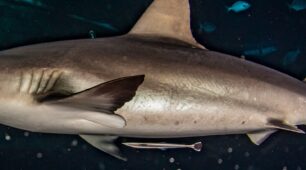
Scuba diving allows visitors to explore deeper parts of the reef alongside coral formations, tropical fish, turtles, rays, and reef sharks.
All introductory dives on the Great Barrier Reef are supervised by professional dive instructors. Certified divers should always follow dive plans, monitor air supply, and stay within their certification limits.
Important scuba safety reminders include:
-
- Never hold your breath underwater.
- Equalise your ears slowly during descent.
- Ascend slowly and safely.
- Stay hydrated between dives.
- Avoid flying too soon after diving.
If you have asthma, heart conditions, recent illness, or medical concerns, discuss these with your operator before diving
Understanding Reef Conditions
The Great Barrier Reef changes daily depending on weather, wind, tide, and currents. Conditions may look calm from the boat but can feel different once in the water.
Visitors should:
-
- Enter the water calmly.
- Stay aware of currents.
- Avoid swimming too far from the vessel or pontoon.
- Return to the boat if feeling tired.
Crew monitor reef conditions closely and may adjust activities for guest safety.
Marine Life Awareness
The reef is home to extraordinary marine life, and most creatures are harmless when treated respectfully.
Visitors should:
-
- Never touch coral or marine animals.
- Avoid chasing turtles or fish.
- Watch where they place hands and feet.
- Maintain respectful distance from all wildlife.
Some marine animals, including jellyfish and stonefish, can sting or injure people if disturbed. Wearing stinger suits during marine stinger season helps provide additional protection.
Sun, Heat & Hydration
Tropical North Queensland experiences very high UV levels year-round, even on cloudy days. Sun exposure and dehydration are among the most common causes of discomfort on reef tours.
Visitors should:
-
- Drink water regularly.
- Wear hats and sunglasses.
- Use reef-safe sunscreen.
- Reapply sunscreen after swimming.
- Wear protective clothing or rash shirts.
Signs of heat exhaustion can include dizziness, headache, nausea, and fatigue.
Seasickness Tips
Even on calm days, some visitors may experience motion sickness while travelling to the reef.
Helpful tips include:
-
- Taking seasickness tablets before departure.
- Sitting outdoors in fresh air.
- Looking toward the horizon.
- Staying hydrated.
- Eating light meals before travel.
Guests feeling unwell should notify crew immediately.
Emergency Procedures
Professional reef operators carry extensive safety equipment and trained crew members onboard.
In an emergency:
-
- Alert crew immediately.
- Follow all instructions carefully
- Remain calm.
- Assist others only if safe to do so.
Many reef vessels are equipped with oxygen, first aid supplies, communication systems, and emergency response procedures.
Responsible Reef Safety
Protecting yourself also helps protect the reef. Calm, respectful behaviour in the water reduces accidental coral damage and helps preserve the reef for future generations.
Responsible visitors:
-
- Float rather than stand on coral.
- Avoid feeding fish.
- Use reef-safe sunscreen.
- Dispose of rubbish responsibly.
- Choose eco-conscious reef operators.
FAQs Snorkel and Dive Safety Great Barrier Reef
Is snorkelling on the Great Barrier Reef safe for beginners?
Do I need to be able to swim to snorkel?
Are there sharks on the Great Barrier Reef?
What should I do if I panic in the water?
Should I wear a stinger suit?
Conclusion Snorkel and Dive Safety Great Barrier Reef
Exploring the Great Barrier Reef is an incredible experience that combines adventure, nature, and education. With proper preparation, careful listening, and respectful behaviour in the water, visitors can safely enjoy one of the world’s most remarkable natural wonders.
Whether you are snorkelling above coral gardens or taking your first scuba dive, reef safety helps ensure every guest leaves with amazing memories and a deeper appreciation for the Great Barrier Reef.
Explore Reef Safety


A Hot Getaways destination. Where Care is Our Compass.