

“Coral is not a plant, not a rock — it is an animal, a colony, and a cathedral all at once.”
The Builders of the Reef: Understanding Coral Diversity
The Great Barrier Reef is built by coral — but “coral” is not a single thing. It is a word that encompasses more than 600 distinct species on the Great Barrier Reef alone, ranging from massive brain corals that may be centuries old to delicate branching staghorns no taller than your hand. Understanding the major types of coral is like learning to read a landscape: once you know what you are looking at, the reef reveals layers of complexity that are genuinely astonishing.
Hard Corals (Scleractinia)
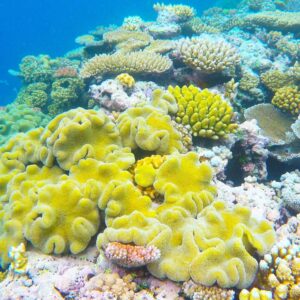
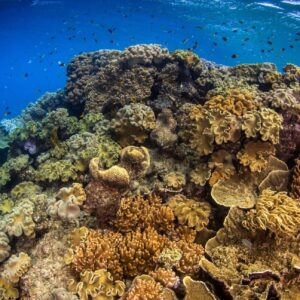
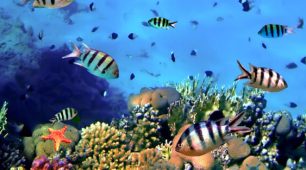
Hard corals are the primary architects of the reef. They are colonial organisms — each coral head is composed of thousands of tiny individual animals called polyps, each of which secretes a calcium carbonate skeleton. Over time, these skeletons accumulate into the massive reef structures we see today. Hard corals are divided into two main growth strategies: massive corals (which grow slowly into large, dome-like formations) and branching corals (which grow faster but are more fragile). Staghorn coral, plate coral, brain coral, and table coral are all forms of hard coral common on the Great Barrier Reef.
Soft Corals (Alcyonacea)
Soft corals do not produce the calcium carbonate structures of hard corals — instead, they have flexible, fleshy bodies supported by small internal structures called sclerites. They are often brilliantly coloured and form feathery, tree-like, or fan-shaped colonies. Sea fans, sea whips, and leather corals are all soft corals. They add extraordinary colour and movement to the reef, especially in areas of current where they extend their polyps to feed. While they do not build the physical reef structure, soft corals provide crucial habitat and feeding opportunities for smaller reef species.

Coral Spawning — When the Reef Blooms
Once a year, typically in November or December in the nights following the full moon, much of the Great Barrier Reef’s hard coral spawns simultaneously — releasing billions of egg and sperm bundles into the water in a mass synchronised event that looks like an underwater snowstorm. This spawning event is the primary method of coral reproduction and genetic exchange across the reef. It is one of the most remarkable natural events on earth and can be witnessed on specialised night dive tours from Cairns and the Whitsundays.
Coral Relationships and the Zooxanthellae
The survival of hard corals depends on a symbiotic relationship with microscopic algae called zooxanthellae that live within coral tissue. These algae photosynthesise sunlight and provide the coral with the majority of its energy — giving healthy coral its characteristic brown and gold colouration. Under stress — particularly from elevated water temperatures — corals expel these algae, causing the bleached white appearance associated with coral bleaching events. Understanding this relationship is central to understanding why the reef is vulnerable to climate change and why its protection matters.
A Hot Getaways destination. Where Care is Our Compass.
See coral on a reef tour
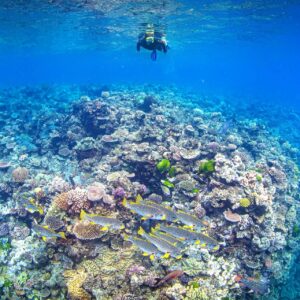
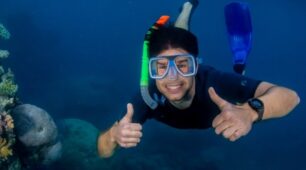
You can see hard and soft corals up close on outer reef snorkel and dive trips from Cairns and Port Douglas.


Frequently Asked Questions
How many types of coral are on the Great Barrier Reef?
What is the difference between hard coral and soft coral?
Is coral a plant or an animal?
What are the main groups of coral you can see while snorkelling?
Why is coral so colourful?
