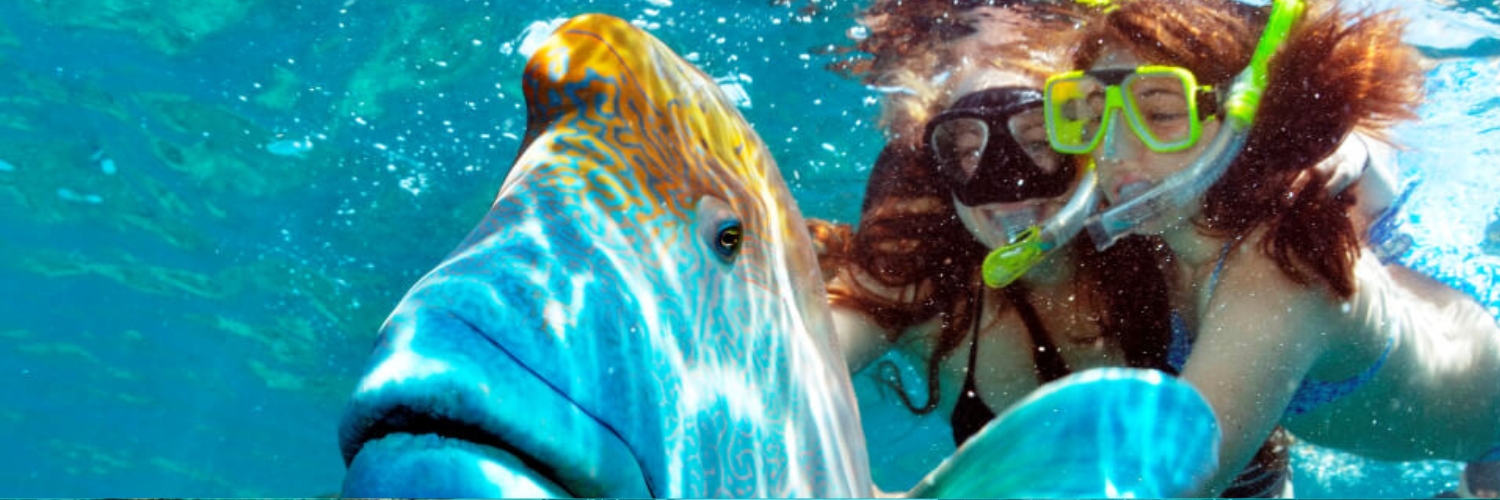
Explore Great Barrier Reef Animals
Discover the Incredible Animals of the Great Barrier Reef
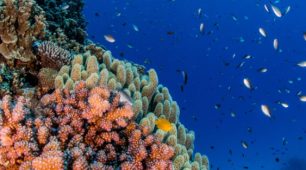
The Great Barrier Reef is home to one of the most diverse collections of marine life on Earth. Stretching for more than 2,300 kilometres along Queensland’s coastline, this World Heritage-listed wonder supports thousands of species of fish, coral, turtles, sharks, rays, dolphins and whales.
Whether you are snorkelling, scuba diving, visiting a reef pontoon or joining a glass-bottom boat tour, there is always something fascinating to discover beneath the surface. While every day on the reef is different, visitors can expect to encounter colourful coral gardens, schools of tropical fish and a wide variety of marine animals throughout the year.
Quick Marine Life Facts
-
- More than 1,600 species of fish live on the Great Barrier Reef.
- Six of the world’s seven sea turtle species can be found here.
- Over 400 species of coral create the reef ecosystem.
- Reef sharks are commonly seen and are generally harmless to humans.
- Dolphins, whales and manta rays are regularly spotted in some regions.
- The reef supports thousands of marine invertebrates including giant clams and sea stars.
- Every reef location offers unique wildlife encounters.
Colourful Reef Fish
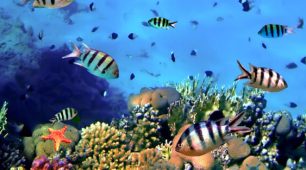
For many visitors, the colourful reef fish are the stars of the show. Schools of fish can be found around coral bommies, reef walls and shallow lagoons.
Some of the most commonly seen species include:
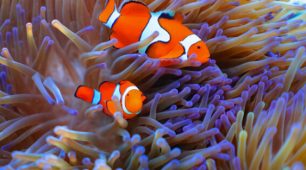
Clownfish
Made famous by the movie Finding Nemo, clownfish live among sea anemones and are often one of the first fish visitors recognise.
Butterflyfish
Known for their bright colours and distinctive markings, butterflyfish are frequently seen feeding around coral gardens.
Parrotfish
Parrotfish play an important role in reef health by grazing on algae and helping create the white sand found on many tropical beaches.
Angelfish
These colourful fish add brilliant flashes of yellow, blue and orange to coral reefs.
Maori Wrasse
Also known as Humphead Wrasse, these gentle giants can grow over two metres long and are a favourite sighting for divers.
Sea Turtles
Sea turtles are among the most sought-after wildlife encounters on the Great Barrier Reef. These graceful reptiles can often be seen gliding through coral gardens or surfacing for air.
Common turtle species include:
Green Sea Turtle
The most frequently encountered turtle species on the Great Barrier Reef.
Hawksbill Turtle
Recognisable by its beautiful shell pattern and pointed beak.
Loggerhead Turtle
Less commonly seen but still found throughout parts of the reef.
Flatback Turtle
A uniquely Australian species that nests along the Queensland coast.
Turtles can be spotted year-round, although sightings vary depending on the reef location and season.
Reef Sharks
Many visitors are surprised to learn that reef sharks are a normal and healthy part of the ecosystem.
The most commonly seen species include:
Whitetip Reef Shark
Often resting on sandy patches or beneath coral ledges during the day.
Blacktip Reef Shark
Frequently seen cruising through shallow lagoons and reef flats.
Grey Reef Shark
More commonly encountered on outer reef dive sites.
Reef sharks are generally shy and uninterested in humans, making them a thrilling yet safe wildlife encounter.
Rays and Manta Rays
The Great Barrier Reef is home to several species of rays.
Visitors may encounter:
-
- Blue-spotted Lagoon Rays
- Eagle Rays
- Stingrays
- Manta Rays
Manta rays are among the most spectacular sightings on the reef. Their enormous wingspans and graceful movements create unforgettable underwater experiences.
Dolphins and Whales
While visitors do not see dolphins and whales every day, many reef tours encounter these magnificent marine mammals throughout the year.
Dolphins
Bottlenose dolphins frequently swim alongside reef vessels, play in the wake, and ride the bow waves of passing boats. Their playful nature and acrobatic displays often create memorable moments for visitors travelling to and from the Great Barrier Reef.
Humpback Whales
Between June and September, humpback whales migrate along the Queensland coast, creating excellent whale-watching opportunities.
Dwarf Minke Whales
The northern Great Barrier Reef is one of the few places in the world where divers and snorkellers can experience dedicated Dwarf Minke Whale encounters.
Giant Clams and Coral Life
Not all reef life swims.
The reef is also home to incredible stationary marine animals including:
Giant Clams
These colourful molluscs can live for decades and often display brilliant blue, green and purple colours.
Soft Corals
Soft corals sway gently in the current and provide habitat for countless reef species.
Hard Corals
The builders of the Great Barrier Reef itself, hard corals create the complex structures that support the entire ecosystem.
Marine Life You Might See on a Reef Tour
Depending on the season and location, visitors may encounter:
-
- Clownfish
- Butterflyfish
- Angelfish
- Parrotfish
- Maori Wrasse
- Green Sea Turtles
- Hawksbill Turtles
- Whitetip Reef Sharks
- Blacktip Reef Sharks
- Blue-spotted Lagoon Rays
- Manta Rays
- Giant Clams
- Sea Cucumbers
- Dolphins
- Humpback Whales
- Dwarf Minke Whales
Every trip offers a unique experience, which is part of what makes visiting the Great Barrier Reef so special.
Best Ways to See Great Barrier Reef Wildlife
You do not need to be a scuba diver to enjoy the reef’s incredible marine life.
Popular options include:
-
- Snorkelling tours
- Introductory scuba diving
- Certified scuba diving
- Glass-bottom boat tours
- Semi-submarine tours
- Reef pontoons
- Liveaboard dive trips
Each option offers a different perspective on this remarkable underwater world.
Frequently Asked Questions
Will I see turtles on the Great Barrier Reef?
Are reef sharks dangerous?
What is the most common fish on the reef?
When is the best time to see whales?
Can non-swimmers see marine life?
Experience One of the World’s Greatest Wildlife Destinations
The Great Barrier Reef offers wildlife encounters that few places on Earth can match. From colourful clownfish and gentle sea turtles to majestic manta rays and migrating whales, every visit reveals something new. Whether you are snorkelling, diving or simply enjoying the view from a boat, the reef’s incredible marine life is guaranteed to leave a lasting impression.
Great Barrier Reef Tours