

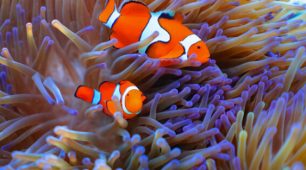
“The sea anemone is the clownfish’s home, the reef’s own living carpet, and one of the most beautiful expressions of invertebrate life in the ocean.”
Sea Anemones of the Great Barrier Reef – Partners, Habitats and Reef Architects
Quick Facts About Sea Anemones Great Barrier Reef
• Scientific group: Cnidaria (related to corals and jellyfish)
• Found in: Coral reefs and rocky reef structures
• Size: From a few centimetres to over 1 metre across
• Diet: Small fish and plankton
• Famous for: Symbiotic relationship with clownfish
• Habitat: Attached to coral or reef rock
• Best seen while: Snorkelling or diving the reef
What Are Sea Anemones?
The Sea Anemones Great Barrier Reef ecosystem includes some of the most fascinating reef invertebrates. Although they resemble colourful underwater flowers, sea anemones are actually animals.
Sea anemones belong to the same family group as corals and jellyfish. Their soft bodies and waving tentacles create shelter and protection for small reef fish, especially clownfish.
On the Great Barrier Reef, sea anemones attach themselves firmly to coral or rock surfaces, where they remain for most of their lives, waiting for food to drift past in ocean currents.
Scientific Classification
Scientific Classification – Sea Anemones
• Kingdom: Animalia
• Phylum: Cnidaria
• Class: Anthozoa
• Order: Actiniaria
Additional facts:
• Sea anemones possess specialised stinging cells called nematocysts.
• These cells help them capture prey and defend themselves.
Where Do Sea Anemones Live on the Great Barrier Reef?
The Sea Anemones Great Barrier Reef habitat includes shallow coral reefs, lagoon systems and reef slopes.
They are commonly found:
• Attached to coral bommies
• On reef rock ledges
• In protected lagoon areas
• Around coral gardens where reef fish gather
Snorkellers frequently spot sea anemones while exploring reef shallows, particularly near coral structures that support clownfish colonies.
Popular reef sites where they are commonly seen include:
• Hastings Reef
• Norman Reef
• Agincourt Reef
• Fitzroy Island reefs
• Green Island reefs
The Famous Clownfish and Sea Anemone Partnership
One of the most famous relationships in marine biology is the partnership between clownfish and sea anemones.
Clownfish live safely among the tentacles of sea anemones. While the anemone’s stinging cells protect the clownfish from predators, the clownfish provides benefits in return.
This symbiotic relationship helps both species survive:
• Clownfish chase away predators
• They help clean debris from the anemone
• Their movement improves water circulation
• Waste nutrients help feed the anemone
This remarkable partnership is a highlight for snorkellers exploring the Great Barrier Reef.
What Do Sea Anemones Eat?
Sea anemones are carnivorous predators.
The Sea Anemones Great Barrier Reef species capture food using their tentacles, which contain microscopic stinging cells.
Their diet includes:
• Small fish
• Plankton
• Tiny crustaceans
• Organic particles drifting in the current
Once prey touches the tentacles, the anemone quickly pulls it toward its central mouth.
Interesting Facts About Sea Anemones Great Barrier Reef
-
- Sea anemones are animals, not plants.
- They are closely related to corals and jellyfish.
- Their tentacles contain thousands of tiny stinging cells.
- Some sea anemones can live for decades.
- Clownfish are immune to their stinging tentacles.
- Sea anemones rarely move once attached to reef rock.
- The Sea Anemones Great Barrier Reef partnership with clownfish is one of nature’s most famous symbiotic relationships.
Sea Anemones and Reef Conservation
The Sea Anemones Great Barrier Reef ecosystem depends on healthy coral reef habitats.
Threats to reef invertebrates include:
• Coral bleaching
• Climate change
• Pollution
• Physical reef damage
Marine park protections and responsible reef tourism help safeguard these delicate habitats.
→ Reef Conservation
→ Reef Safety
Animals Commonly Seen With Sea Anemones
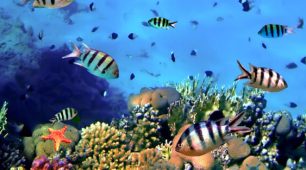
Sea anemones are often found alongside:
• Clownfish (Anemonefish)
• Damselfish
• Butterflyfish
• Cleaner shrimp
• Coral reef fish schools
These animals share reef habitats and benefit from the shelter and structure provided by coral ecosystems.
Frequently Asked Questions – Sea Anemones Great Barrier Reef
Are sea anemones common on the Great Barrier Reef?
Do clownfish always live in sea anemones?
Can sea anemones sting humans?
Where can snorkellers see sea anemones on the Great Barrier Reef?
Are sea anemones important to reef ecosystems?
Discover Sea Anemones Great Barrier Reef
The Sea Anemones Great Barrier Reef experience reveals the incredible diversity and delicate relationships that make coral reefs so unique.
From their waving tentacles to their famous partnership with clownfish, sea anemones offer one of the most fascinating small-scale discoveries on the reef.
Ready to explore this vibrant underwater world?
Compare Great Barrier Reef Tours from Cairns and visit the Great Barrier Reef Animals Hub to discover more reef wildlife.
Great Barrier Reef Tours


A Hot Getaways destination. Where Care is Our Compass.
