
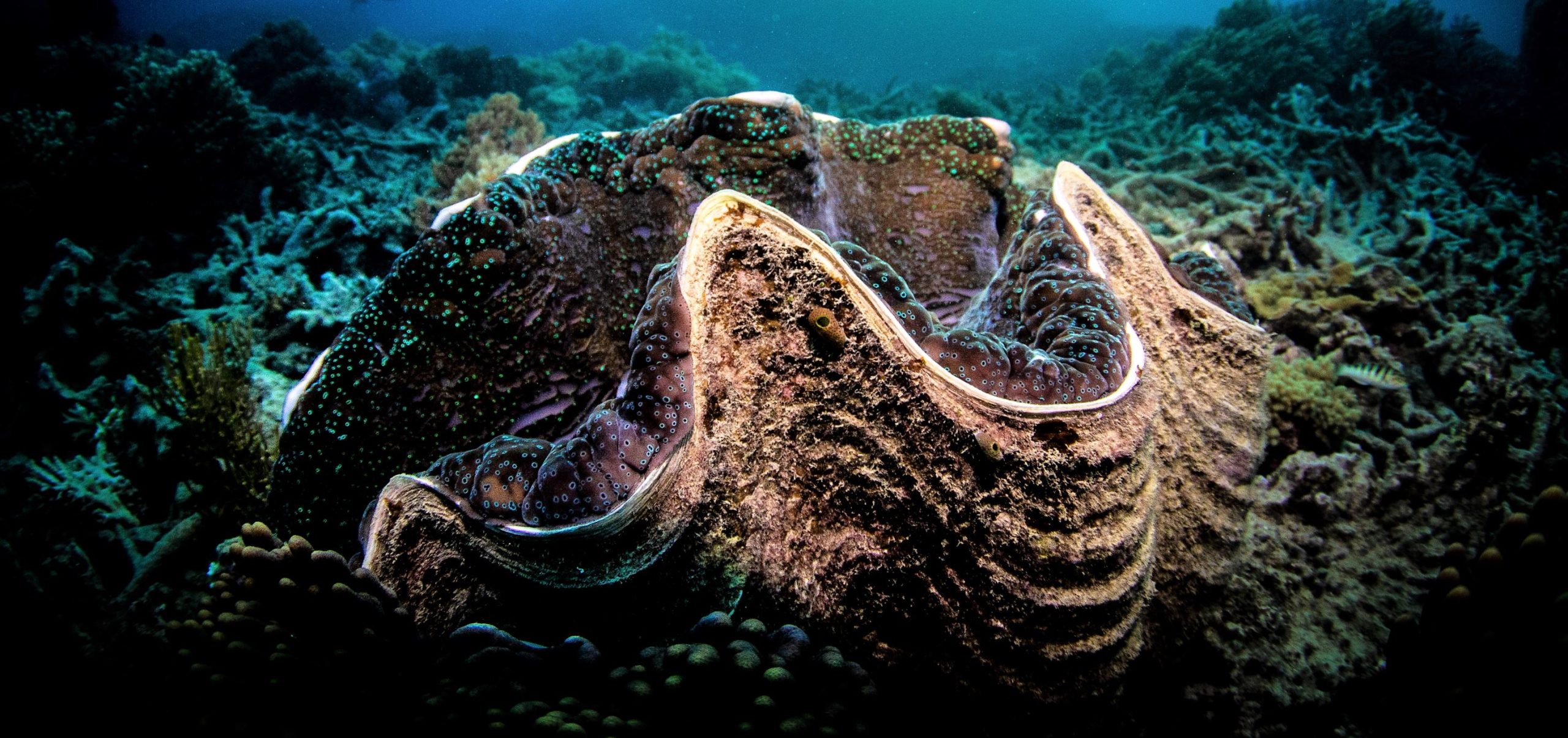
“The giant clam is the reef’s ancient keeper — centuries old, metres wide, and blazing with colour from within its open shell.”
Giant Clam – One of the Great Barrier Reef’s Most Iconic Marine Animals
The Giant Clam (Tridacna gigas) is the world’s largest bivalve mollusc and one of the most immediately recognisable inhabitants of the Great Barrier Reef. Individual clams can reach over a metre in length and weigh more than 200 kilograms, living anchored to the same section of reef for up to 100 years. They’re commonly spotted on a Reef Experience day tour to the outer reef.


About Giant Clams
Quick Facts About the Giant Clam Great Barrier Reef
• Scientific name: Tridacna gigas (and related species)
• Also known as: Giant clam
• Found in: Coral reefs, lagoons and shallow reef flats
• Diet: Photosynthesis and plankton
• Average size: Up to 1.2 metres
• Conservation status: Vulnerable (some species protected)
• Best chance of sighting: Shallow coral gardens on outer reefs
What Is a Giant Clam?
The Giant Clam Great Barrier Reef species is one of the reef’s most visually striking and fascinating marine animals. Known for their large size and vibrant colours, giant clams sit embedded in coral reefs with their mantles open to the sunlight.
These clams are not just passive reef inhabitants. They form a unique partnership with microscopic algae living inside their tissues. This relationship allows them to generate energy through sunlight, making them an important part of the reef ecosystem.
Despite their size and appearance, giant clams are harmless to humans and are a favourite sight for snorkellers exploring shallow coral gardens.
Scientific Classification
Scientific Classification
-
- Kingdom: Animalia
- Phylum: Mollusca
- Class: Bivalvia
- Order: Cardiida
- Family: Cardiidae
- Genus: Tridacna
- Species: Tridacna gigas (largest species)
- Conservation Status: Vulnerable (IUCN, varies by species)
Giant clams are a group, not just one species. On the Great Barrier Reef you may see:
-
- Tridacna gigas (Giant Clam – largest)
- Tridacna maxima (Small Giant Clam – very common, often turquoise)
- Tridacna squamosa (Fluted Giant Clam)
Where Do Giant Clams Live on the Great Barrier Reef?
Giant clams are commonly found in:
-
- Shallow coral reef flats
- Lagoon environments
- Coral bommies
- Sunlit outer reef areas
They require clear, warm water and sunlight to support the algae living inside their tissues. This is why they are often seen in shallow areas where light penetrates easily.
On the Great Barrier Reef, giant clams are frequently spotted near Cairns and Port Douglas reef systems.
What Do Giant Clams Eat?
Giant clams use a combination of feeding methods:
-
- Photosynthesis (via symbiotic algae)
- Filter feeding plankton from the water
Their colourful mantle contains algae that convert sunlight into energy. This makes giant clams one of the few animals that rely heavily on solar energy.
They also filter small particles from the water, contributing to reef water clarity and nutrient cycling.
Can You See a Giant Clam on a Reef Tour?
Yes, the Giant Clam Great Barrier Reef species is one of the easiest reef animals to see while snorkelling.
You will often find them:
-
- Embedded in coral gardens
- Resting on sandy reef patches
- Displaying bright blue, green or purple colours
Their size and colour make them highly visible, even from the surface.
Planning a reef trip?
Explore Great Barrier Reef Tours from Cairns
Interesting Facts About the Giant Clam Great Barrier Reef
- Giant clams are the largest living bivalve molluscs in the world.
- They can grow over 1 metre in length.
- Their bright colours come from algae living in their tissues.
- Giant clams can live for over 100 years.
- They filter water, helping maintain reef clarity.
- Their shells can weigh over 200 kg.
- The Giant Clam Great Barrier Reef species relies on sunlight to survive.
Giant Clam Conservation on the Great Barrier Reef
Giant clams are protected in many areas due to past overharvesting and environmental pressures.
Threats include:
-
- Climate change and coral bleaching
- Habitat damage
- Illegal collection
- Water quality decline
Marine park protections and conservation programs help support giant clam populations across the Great Barrier Reef.
Visitors can help by:
-
- Not touching or standing on clams
- Avoiding contact with coral
- Following reef-safe practices
Animals Commonly Seen With Giant Clams
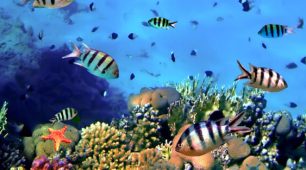
While exploring coral gardens, snorkellers and divers often see giant clams alongside:
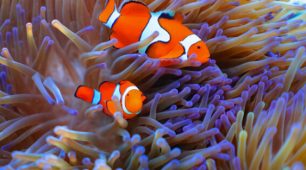
• Clownfish
• Parrotfish
• Butterflyfish
• Surgeonfish
These species share the same shallow reef habitats and are commonly encountered together.
Frequently Asked Questions – Giant Clam Great Barrier Reef
Are giant clams common on the Great Barrier Reef?
Are giant clams dangerous?
How big do giant clams grow?
What do giant clams eat on the Great Barrier Reef?
Can you see giant clams while snorkelling?
Discover the Giant Clam Great Barrier Reef Experience
The Giant Clam Great Barrier Reef experience is one of the highlights of snorkelling on the reef. Their vibrant colours, impressive size and unique biology make them unforgettable to see in their natural environment.
As you explore the reef, look down into the coral gardens — you may find a giant clam glowing with colour in the sunlight.
Explore:
Discover the Best Things to Do on Great Barrier Reef



A Hot Getaways destination. Where Care is Our Compass.
