

“The Great Barrier Reef is not simply a destination — it is an invitation to step into the living world and wonder.”
A World of Wonder Waiting to Be Explored
The Great Barrier Reef stretches along more than 2,300 kilometres of the Queensland coastline, and what it offers to visitors is as vast as it is varied. Whether you are slipping beneath the surface for the first time, gliding above on a scenic flight, or simply sitting at the water’s edge and watching the sun set gold over the Coral Sea, there is something here that will change the way you see the natural world.


Snorkelling the Living Reef
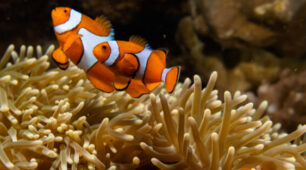
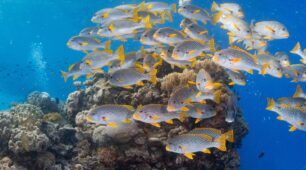
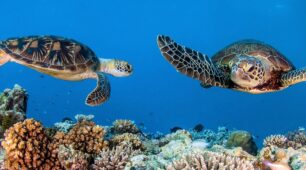
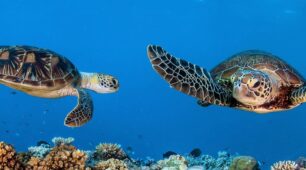
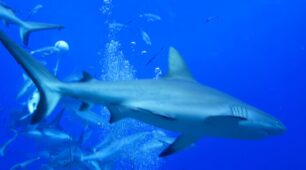
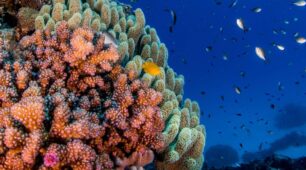
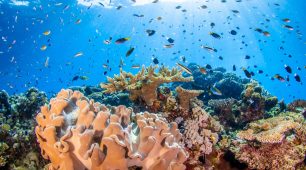
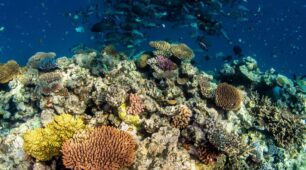
Snorkelling is one of the most accessible ways to meet the reef up close. Guided reef pontoon tours depart daily from Cairns, Port Douglas, the Whitsundays, and other gateway towns, carrying snorkellers to sheltered outer reef sites where coral gardens shimmer in clear turquoise water. Fish weave through staghorn formations, sea turtles drift past without concern, and reef sharks move calmly through the blue. You do not need experience — only curiosity and a spirit of adventure.
Scuba Diving — Discover a World Below the World
For those ready to go deeper, the Great Barrier Reef is one of the great diving destinations on the planet. Certified divers can explore advanced sites like the Cod Hole, Pixie Pinnacle, and the Ribbon Reefs on liveaboard expeditions. Those who have never dived before can try an Introductory Scuba experience on a day tour — fully guided, fully supported, and absolutely unforgettable. Learn to Dive courses are available in Cairns, Port Douglas, and the Whitsundays.
Scenic Flights and Helicopter Tours
Some perspectives can only be gained from the sky. Scenic flights over the reef reveal patterns and shapes invisible from the water — swirling coral formations, vivid blue channels, and the extraordinary heart-shaped coral of Heart Reef in the Whitsundays. Helicopter and fixed-wing flights depart from multiple gateway cities and offer one of the most striking views on earth.



Wildlife Encounters — Turtles, Dolphins, and More
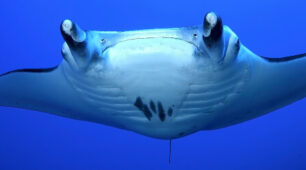
The reef is home to six of the world’s seven species of sea turtle, pods of spinner dolphins, dugongs, humpback whales, whale sharks, and over 1,600 species of fish. Wildlife encounters are a central part of any reef experience. Reef pontoon tours frequently attract sea turtles and reef fish. Dedicated whale watching cruises operate during migration season, and snorkellers may find themselves swimming alongside gentle reef sharks in calm, clear water.
Island Stays and Remote Retreats
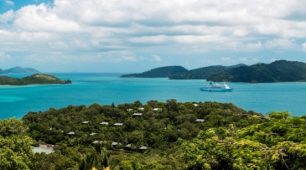
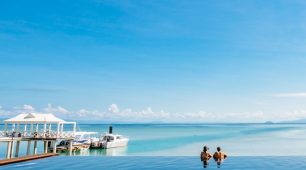
Some of Queensland’s most extraordinary experiences involve staying on a reef island. Green Island, Heron Island, Lizard Island, Lady Elliot Island, and the Whitsunday Islands all offer accommodation ranging from eco-lodges to luxury resorts — with the reef at your doorstep from the moment you wake. Island stays allow for early morning snorkels, sunset beach walks, and a stillness that is difficult to find anywhere else.

Glass Bottom Boats and Semi-Submarines
Not everyone chooses to get wet — and that is perfectly fine. Glass bottom boat tours and semi-submarine experiences allow guests to observe the reef through clear panels below the waterline, watching coral and fish move just centimetres away. These experiences are ideal for families with young children, non-swimmers, and travellers who prefer to stay dry while still connecting with the underwater world.
Reef Education and Cultural Connections
The reef is a living classroom. Many tour operators offer reef education programs for school groups and visitors interested in marine science and conservation. Just as important is the reef’s cultural significance — for the First Nations peoples of the Queensland coast, these waters have been home, larder, and sacred landscape for more than 60,000 years. Some operators offer guided experiences that share this deeper story of connection to sea country.

A Hot Getaways destination. Where Care is Our Compass.
Explore more things to do
Frequently Asked Questions
What are the most popular things to do at the Great Barrier Reef?
Do I need to be able to swim to enjoy the Great Barrier Reef?
What is the best way to see the Great Barrier Reef for the first time?
When is the best time of year to visit the Great Barrier Reef?
Are Great Barrier Reef activities suitable for families and children?
