
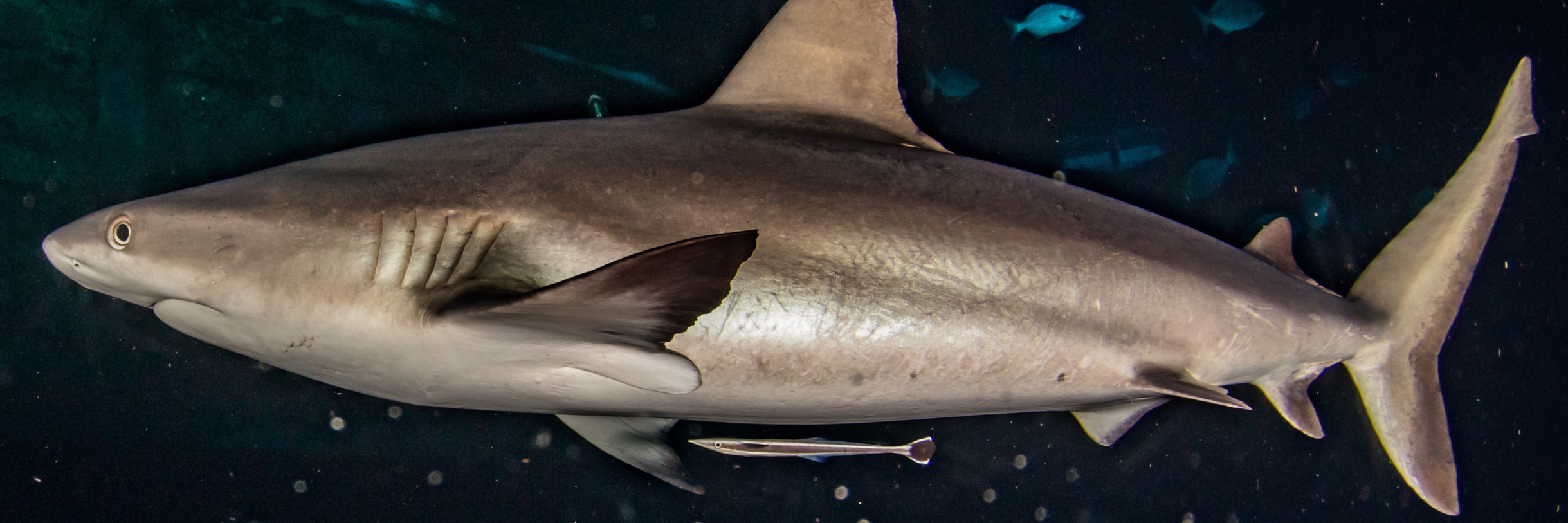
“Shark encounters on the Great Barrier Reef are almost always benign — but knowing the facts means you’ll approach them with the right kind of respect, not fear.”
Shark Safety on the Great Barrier Reef – Facts, Not Fear
Key Facts About Shark Safety on the Great Barrier Reef
-
- Shark encounters on the Great Barrier Reef are rare and usually harmless
- Most reef sharks are shy, curious, and non-aggressive
- The Great Barrier Reef is considered a very safe place to snorkel and dive
- Tour operators follow strict safety guidelines and monitoring
- Shark attacks are extremely uncommon in North Queensland waters
- Seeing a shark is often a highlight of the experience
- Understanding shark behaviour helps visitors feel confident and relaxed
Introduction
The Great Barrier Reef is one of the most beautiful and diverse marine environments in the world, and yes, it is home to sharks.
For many visitors, this raises an important question: is it safe to swim or snorkel on the reef?
The reassuring answer is yes. Shark encounters on the Great Barrier Reef are rare, and the species you are most likely to see are calm, non-aggressive reef sharks. In fact, for many guests, spotting a shark becomes one of the most exciting and memorable moments of their reef adventure.
This guide will help you understand shark behaviour, safety practices, and what to expect so you can explore the reef with confidence.
Are There Sharks on the Great Barrier Reef?
Yes, the Great Barrier Reef is home to a variety of shark species, including:
-
- Blacktip reef sharks
- Whitetip reef sharks
- Grey reef sharks
- Occasionally larger species in deeper waters
These sharks are a natural and important part of the reef ecosystem. They help maintain balance by keeping fish populations healthy.
Most sharks live in deeper reef areas and avoid human interaction.
Are Sharks Dangerous to Humans?
Shark attacks on the Great Barrier Reef are extremely rare.
The species commonly found on reef tours are:
-
- Small to medium in size
- Not interested in humans as prey
- Naturally cautious and quick to swim away
Statistically, you are far more likely to:
-
- Slip on a wet surface
- Get sunburnt
- Or be stung by marine life
…than experience any issue involving a shark.
What Types of Sharks Might You See?
During a snorkelling or diving trip, you may see:
-
- Recognisable by black tips on their fins
- Often seen cruising shallow reef areas
- Curious but harmless
-
- Often resting on the reef during the day
- Slow-moving and relaxed
- A favourite sight for divers
-
- Slightly larger and usually found in deeper water
- Rarely encountered by snorkellers
Seeing these sharks is considered a privilege and a sign of a healthy reef.
How Safe is Snorkelling and Diving on the Reef?
Snorkelling and diving on the Great Barrier Reef are very safe activities when done with licensed operators.
Tour companies:
-
- Monitor reef conditions daily
- Provide safety briefings
- Supervise guests in the water
- Choose safe, well-known reef sites
Millions of visitors enjoy the reef safely every year.
What to Do If You See a Shark
If you are lucky enough to see a shark:
-
- Stay calm and relaxed
- Keep your movements slow and smooth
- Observe from a respectful distance
- Avoid chasing or approaching the shark
- Follow your guide’s instructions
In most cases, the shark will swim away quickly.
Shark Safety Tips for Visitors
Here are simple tips to help you feel confident in the water:
-
- Always snorkel or dive with a licensed tour operator
- Listen carefully to your safety briefing
- Avoid wearing shiny jewellery that may attract attention
- Stay aware of your surroundings
- Do not feed marine life
- Stay with your group or guide
- Enter the water calmly and avoid splashing excessively
Why Sharks Are Important to the Reef
Sharks play a vital role in keeping the Great Barrier Reef healthy.
They:
-
- Help maintain balance in the marine ecosystem
- Prevent overpopulation of certain species
- Support biodiversity across the reef
A reef with sharks is a strong, thriving reef, and something to celebrate.
Best Reasons You Can Feel Safe on the Great Barrier Reef
-
- Shark incidents are extremely rare
- Reef sharks are naturally shy and avoid humans
- Professional tour operators prioritise safety
- Millions of visitors swim safely each year
- Shark sightings are calm and non-threatening
- Guides are trained to manage all situations
- The reef environment is carefully monitored
Frequently Asked Questions
Are there sharks near Cairns and Port Douglas?
Is it safe to swim with sharks on the Great Barrier Reef?
Do sharks come close to snorkellers?
What should I do if I feel nervous about sharks?
Are shark attacks common in Australia’s reef areas?
Conclusion
The Great Barrier Reef is one of the safest and most incredible places in the world to explore the ocean. While sharks are part of this natural environment, they are not something to fear.
With experienced guides, well-managed tours, and a better understanding of shark behaviour, you can enter the water feeling confident, calm, and excited.
In fact, if you do spot a shark, you may find it becomes one of the most unforgettable highlights of your reef experience.
Great Barrier Reef Tours



A Hot Getaways destination. Where Care is Our Compass.
