

“Hastings Reef is one of the Cairns classic outer reef sites — reliable, diverse, and one of the most visited reef systems on the Great Barrier Reef.”
Hastings Reef – A Cairns Outer Reef Classic
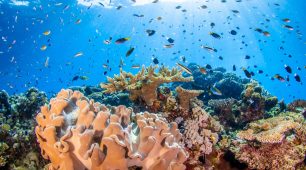
Hastings Reef is one of the most beautiful outer Great Barrier Reef sites accessible from Cairns, loved for its colourful coral gardens, clear tropical water and excellent snorkelling and scuba diving opportunities. Located offshore from Cairns, this reef is part of the spectacular Cairns section of the Great Barrier Reef and is often visited by reef day tours and liveaboard dive trips.
With shallow reef flats, coral walls, bommies, swim-throughs and a wide variety of marine life, Hastings Reef is a rewarding location for both first-time reef visitors and experienced divers. It is especially popular with snorkellers because parts of the reef sit close to the surface, allowing visitors to see coral and reef fish in beautiful detail.
Quick Facts About Hastings Reef
- Location: Outer Great Barrier Reef, offshore from Cairns
- Distance from Cairns: Approximately 50–55 kilometres offshor
- Reef type: Outer reef / patch reef
- Known for: Coral gardens, snorkelling, scuba diving and marine life
- Average bottom depth: Around 13 metres in some areas
- Depth range: Approximately 5–30 metres depending on site and conditions
- Best for: Snorkellers, certified divers, introductory divers and reef lovers
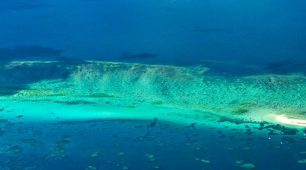
Hastings Reef is often described as a horseshoe-shaped reef with shallow reef flats, coral walls and natural ravines that provide habitat for many reef species. Several sources note its approximate size at around 10 square kilometres, with coral gardens and visibility that can make it ideal for snorkelling and diving.
Why Visit Hastings Reef?
Hastings Reef offers a wonderful balance of accessibility, beauty and variety. It is far enough offshore to provide the feeling of a true outer reef experience, yet close enough to Cairns to be included in selected day trips and reef itineraries.
Visitors come to Hastings Reef for:
-
- Colourful coral garden
- Clear water and tropical reef scenery
- Snorkelling over shallow coral areas
- Introductory and certified scuba diving
- Reef fish, turtles, rays and giant clams
- Coral bommies, ledges and swim-throughs
- A classic Cairns outer reef experience
The Great Barrier Reef Marine Park is recognised as the world’s largest coral reef ecosystem, with spectacular marine life and important ecological, cultural and heritage values. The Reef Authority encourages visitors to enjoy the region in a reef-friendly way that protects these values for the future

Snorkelling at Hastings Reef
Hastings Reef is a fantastic snorkelling location because some areas of the reef rise close to the surface. Depending on tides and conditions, snorkellers may be able to float above coral gardens and watch reef fish moving between coral bommies below.
The shallow reef flat can make Hastings Reef especially enjoyable for visitors who want a close-up view of the coral without needing to dive. Reef operators may choose specific moorings or sites based on weather, tides, visibility and guest experience.
Snorkellers may see:
- Colourful reef fish
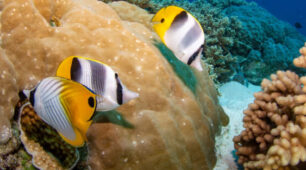
- Butterflyfish
- Angelfish
- Damselfish
- Clownfish and anemones
- Giant clams
- Sea cucumbers
- Soft and hard corals
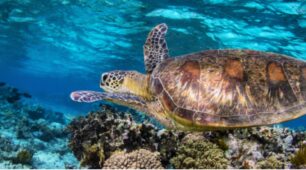
- Sea turtles if lucky
For families, school groups and first-time reef visitors, Hastings Reef can offer a memorable introduction to the Great Barrier Reef.
Book To Visit Hastings Reef Today
Scuba Diving at Hastings Reef
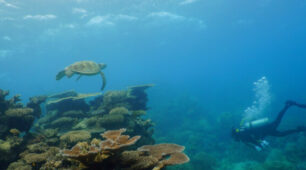
Hastings Reef is also a rewarding dive site for certified divers and, when conditions are suitable, introductory divers. The reef includes coral bommies, reef walls, ravines, ledges and swim-through-style formations that create interesting underwater scenery.
Divers may encounter:
- Maori wrasse
- Reef sharks
- Parrotfish
- Anemonefish
- Rays
- Octopus
- Sea turtles
- Giant clams
- Schools of tropical reef fish
PADI describes Hastings Reef as an outer reef site with vivid corals, marine life, swim-throughs, caves and bommies, with residents including Maori wrasse, reef sharks, giant clams, anemonefish, stingrays, octopus and sea turtles.
Marine Life at Hastings Reef
One of the best reasons to visit Hastings Reef is the opportunity to see the incredible biodiversity of the Great Barrier Reef. The coral provides food and shelter for hundreds of reef species, from tiny damselfish to larger reef animals moving through the coral structures.
Marine life that may be seen at or around Hastings Reef includes:
Every reef trip is different. Marine life sightings depend on weather, season, tides, visibility and natural animal movement.
Coral Gardens and Reef Structure
Hastings Reef is known for its colourful coral formations and interesting underwater structure. Its reef shape helps create walls, coral ridges, ravines and sheltered areas where reef fish can hide, feed and gather.
You may see a mix of:
-
- Branching corals
- Plate corals
- Boulder corals
- Soft corals
- Coral bommies
- Reef walls
- Shallow reef flats
These habitats are important because they support many species at different stages of life. Small fish use coral branches for shelter, while larger animals may patrol the reef edges and deeper areas.
Is Hastings Reef Good for Beginners?
Yes, Hastings Reef can be suitable for beginners when visited with an experienced reef operator and when conditions are appropriate. Its shallow coral areas can be excellent for snorkellers, while selected dive sites may suit introductory divers under professional supervision.
Beginners should always:
-
- Listen carefully to safety briefings
- Use flotation devices if needed
- Stay within marked snorkelling areas
- Follow crew instructions
- Avoid touching coral or marine life
- Choose activities that match their confidence level
For non-swimmers or less confident guests, some reef tours may offer alternative ways to enjoy the reef, such as glass bottom boats or semi-submersible tours, depending on the vessel and itinerary.
Best Time to Visit Hastings Reef
Hastings Reef can be visited throughout the year, depending on tour schedules and weather conditions. Cairns has a tropical climate, and reef conditions can vary from day to day.
In general:
-
- May to October often brings cooler, drier weather
- November to April is warmer and more humid
- Visibility can change with wind, tides and weather
- Reef operators choose sites based on the best conditions available on the day
The Great Barrier Reef is a living ecosystem, and conditions are naturally variable. Tourism operators work closely with monitoring programs and the scientific community to help protect and understand reef health.
Responsible Reef Travel at Hastings Reef
Visitors play an important role in protecting Hastings Reef and the wider Great Barrier Reef Marine Park. Simple actions help reduce impacts and keep the reef healthy for future generations.
When visiting Hastings Reef:
-
- Do not touch or stand on coral
- Keep fins clear of the reef
- Use reef-safe sun protection
- Take all rubbish back to the boat
- Never chase or harass marine life
- Follow crew and marine park instructions
- Choose responsible reef operators
- Respect zoning and protected areas
Before visiting the Great Barrier Reef Marine Park, visitors should be familiar with zoning rules and responsible reef practices. The Reef Authority provides official zoning maps and visitor guidance to help people understand where they are and what activities are allowed.
Hastings Reef for Educational Groups
Hastings Reef is an excellent location for educational reef experiences because it allows students and groups to observe coral reef ecosystems in real life. A visit can support learning about marine biology, coral structures, biodiversity, conservation, climate impacts and responsible tourism.
Educational topics may include:
-
- Coral reef ecosystems
- Reef fish identification
- Symbiotic relationships
- Food chains and habitats
- Coral health and conservation
- Human impacts on reef environments
- Reef-safe visitor behaviour
This makes Hastings Reef a valuable addition to school excursions, university study tours, marine science programs and group travel itineraries from Cairns.
How to Visit Hastings Reef from Cairns
Hastings Reef is generally reached by boat from Cairns. It may be included in selected outer reef day tours, liveaboard trips or diving itineraries, depending on the operator, conditions and permits.
Because reef operators select sites based on daily weather, tides and guest suitability, visitors should check with their chosen tour provider if Hastings Reef is a priority.
When booking, ask:
-
- Does the tour visit Hastings Reef regularly?
- Is the trip suitable for snorkellers?
- Are introductory dives available?
- Are certified dives available?
- Are reef education talks included?
- Is the tour suitable for children or groups?
- What happens if weather changes the reef location?
Hastings Reef and Nearby Cairns Reef Sites
Hastings Reef is part of the broader Cairns outer reef region. Depending on the operator and conditions, reef trips may also visit other nearby reef systems such as:
Each reef has its own character, marine life and underwater features, making the Cairns reef region one of the best places in Australia for snorkelling and diving.
Frequently Asked Questions About Hastings Reef
Where is Hastings Reef?
Is Hastings Reef good for snorkelling?
Can you scuba dive at Hastings Reef?
What marine life can I see at Hastings Reef?
Is Hastings Reef suitable for beginners?
Do all Cairns reef tours visit Hastings Reef?
Is Hastings Reef suitable for school groups?
Final Thoughts
Hastings Reef is a beautiful outer Great Barrier Reef site that offers a rich mix of coral gardens, tropical fish, snorkelling, diving and educational value. Its shallow reef areas make it appealing for snorkellers, while its coral walls, bommies and marine life provide rewarding experiences for divers.
For visitors travelling from Cairns, Hastings Reef offers a classic Great Barrier Reef experience filled with colour, life and discovery. Whether you are visiting for adventure, education or simply the joy of seeing the reef for yourself, Hastings Reef is one of the special places that helps make the Cairns reef region unforgettable.
Discover the Great Barrier Reef





A Hot Getaways destination. Where Care is Our Compass.
