

“The Great Barrier Reef is not merely the largest reef in the world — it is the largest living structure ever built by any living thing.”
One Reef, Two Thousand Kilometres, Six Hundred Million Years in the Making
The Great Barrier Reef is the world’s most extensive coral reef ecosystem. It stretches for more than 2,300 kilometres along the north-eastern coast of Queensland, Australia, encompassing over 2,900 individual reefs, 900 islands, and an area of roughly 344,000 square kilometres — larger than the United Kingdom and Switzerland combined. It is visible from space. It supports a greater diversity of marine species than almost any ecosystem on earth. And it is alive — a living, breathing, reproducing community of organisms in a state of constant change.


What is a Coral Reef?
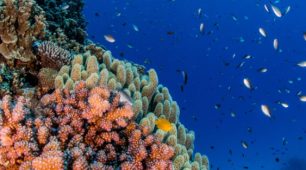
A coral reef is a structure built over thousands of years by coral polyps — tiny marine animals related to jellyfish and sea anemones. Each polyp secretes a calcium carbonate skeleton and lives in colonial groups called coral heads. Over generations, these skeletons accumulate into the massive reef structures that define the Great Barrier Reef. The living layer of the reef is remarkably thin — just the uppermost surface — while the foundation beneath is made of ancient, accumulated coral skeletons stretching back thousands of years.
The Scale of the Great Barrier Reef
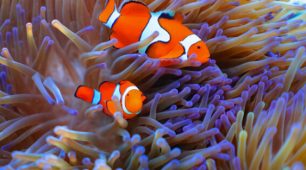
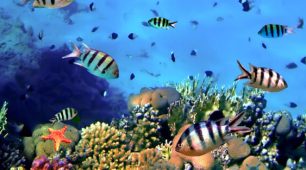
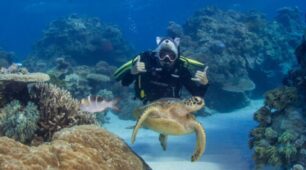
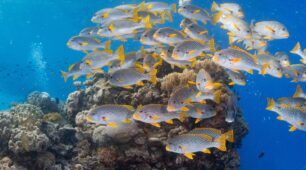
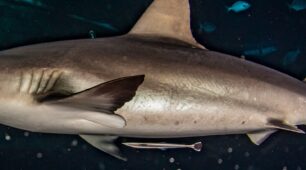
Numbers help establish the scale of the Great Barrier Reef, though they ultimately fall short of conveying the experience. The reef contains more than 600 species of hard coral, 100 species of soft coral, 1,625 species of fish, 133 species of sharks and rays, over 30 species of whales and dolphins, six of the world’s seven sea turtle species, and more than 4,000 species of mollusc. More than 215 species of bird visit or nest on the reef’s islands. Every square metre of healthy reef surface is occupied by a community of extraordinary complexity.
How the Reef Formed
The foundations of the Great Barrier Reef began forming approximately 600,000 years ago during periods of rising sea level following ice ages. The current reef structure — the one visible today — is approximately 6,000 to 8,000 years old, built on top of older reef platforms that rose as sea levels stabilised after the last ice age. The reef sits on Australia’s continental shelf, in water ranging from a few metres deep on the inner reef flat to hundreds of metres on the outer continental slope.
The Reef as an Ecosystem
The Great Barrier Reef is not simply a collection of corals and fish. It is a fully integrated ecosystem in which every species plays a role in the system’s overall function. Coral-eating fish like parrotfish graze the reef surface and produce the white sand that forms island beaches. Cleaner shrimp and wrasses maintain the health of larger fish by removing parasites. Sea cucumbers process sediment and recycle nutrients. Crown-of-thorns starfish, which eat coral polyps, are controlled by the activities of giant triton snails and reef fish. Remove any of these relationships, and the rest of the system changes in ways that cascade unpredictably.

World Heritage Status
The Great Barrier Reef was inscribed on the UNESCO World Heritage List in 1981, recognised for its outstanding universal value as a natural phenomenon of exceptional beauty and scientific importance. It is one of very few places on earth that satisfies all four criteria for natural World Heritage listing. The Great Barrier Reef Marine Park, established in 1975, provides the primary legal framework for the reef’s protection and management. The park is jointly managed by the Australian Government and the Queensland Government.

The Reef Today
The Great Barrier Reef faces significant threats from climate change — particularly coral bleaching events driven by elevated sea temperatures, which have occurred with increasing frequency in recent decades. Crown-of-thorns starfish outbreaks, poor water quality from agricultural runoff, and coastal development add further pressure. Despite these challenges, large sections of the reef remain in good health, and significant scientific and government investment is directed at understanding, protecting, and where possible restoring reef ecosystems.

A Hot Getaways destination. Where Care is Our Compass.
FAQs
What is the Great Barrier Reef?
How big is the Great Barrier Reef?
Is the Great Barrier Reef a living thing?
How old is the Great Barrier Reef?
Why is the Great Barrier Reef important?
