
“Fringing reefs are the reef you can actually reach from the beach — and sometimes, they’re the most extraordinary reef of all.”
Fringing Reefs – Where the Coral Meets the Shore
Explore the Great Barrier Reef
Fringing Reef Quick Facts
- Fringing reefs grow directly along the coastline or around islands
- Found in sheltered lagoons, bays, and island edges of the Great Barrier Reef
- Easy to access often just a short swim from the beach
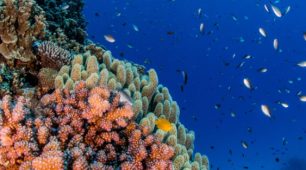
- Home to corals, sea turtles, reef fish, rays, and more
- Provide natural protection for coastlines against waves and erosion
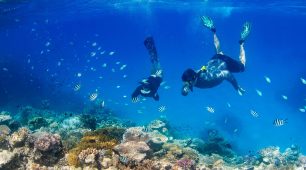
- Perfect for snorkelling, especially for beginners and families
- Famous examples: Green Island, Fitzroy Island, and Lizard Island
What is a Fringing Reef?
A fringing reef is the most common type of coral reef and one of the easiest to explore. Unlike barrier reefs or atolls, fringing reefs form right along the shore of a continent or island. They often create shallow lagoons between the beach and the reef edge, offering calm, protected waters that are ideal for snorkelling.
On the Great Barrier Reef, many islands such as Fitzroy, Green, and Lizard are surrounded by healthy fringing reefs. These reefs act as living borders between the island and the open sea, providing both protection and beauty.
Why Fringing Reefs are Special
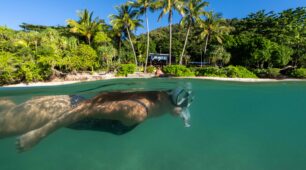
Fringing reefs offer some of the most accessible coral experiences. You can simply step off the beach, put on a mask and snorkel, and find yourself in a world of colourful corals and fish. This makes them popular for families, first-time visitors, and anyone who prefers a relaxed introduction to the reef.
Fringing reefs are also important for their role in protecting coastlines. They absorb wave energy, reduce erosion, and create sheltered lagoons where marine life can thrive. Many turtles and young reef fish use these lagoons as nurseries before venturing into deeper waters.
Marine Life Encounters
Exploring a fringing reef is like peeking into the reef’s nursery. You might see:
- Clownfish darting among sea anemones
- Parrotfish grazing on coral
- Turtles resting in sheltered lagoons
- Reef sharks patrolling the outer edge
- Rays gliding gracefully across sandy patches
Every visit brings new surprises, and even a quick snorkel can reveal dozens of species.
Best Ways to Experience
- Snorkel straight from the beach on island day trips like Green Island or Fitzroy Island
- Guided snorkel tours with marine biologists to learn about reef life
- Introductory scuba dives in calm lagoons for beginners
- Kayaking or glass-bottom boat tours to see the reef without getting wet
- Overnight island stays where you can snorkel and swim at your own pace.
Snorkel a fringing reef
Green Island and Fitzroy Island are easy day trips from Cairns, with reef you can snorkel close to the beach.


Frequently Asked Questions
What is the difference between a fringing reef and a barrier reef?
Can I snorkel on a fringing reef without a boat?
Are they safe for beginners?
Where can I see fringing reefs on the Great Barrier Reef?
Do fringing reefs support as much life as barrier reefs?
Conclusion
Fringing reefs are one of the most welcoming ways to experience the Great Barrier Reef. With colourful coral gardens just a short swim from the beach, they offer easy access, calm lagoons, and unforgettable encounters with marine life. Whether you’re snorkelling for the first time or enjoying a family day out, fringing reefs let you discover the the beauty up close right where the ocean meets the shore.
Discover the Great Barrier Reef


A Hot Getaways destination. Where Care is Our Compass.