
“Coral bleaching is the reef’s response to stress. Understanding it is how we begin to protect what we love.”
Coral Bleaching – What It Is and What It Means for the Great Barrier Reef
Key Facts About Coral Bleaching
- Coral bleaching occurs when corals lose their colour due to stress
- It is mainly caused by rising sea temperatures
- Bleached coral is not dead, but it is under stress
- Corals can recover if conditions improve
- Reef condition is measured year-round by the Australian Institute of Marine Science and the Reef Authority
- Visitors can help protect the reef through responsible travel
- Education and awareness are key to reef conservation
Introduction
Coral bleaching is one of the most talked-about topics when it comes to the Great Barrier Reef. While it can sound alarming, understanding what coral bleaching is, and what it isn’t, is essential for anyone planning a reef experience.
The Great Barrier Reef remains one of the most extraordinary natural wonders on Earth. With proper care, responsible tourism, and ongoing conservation efforts, it continues to thrive and inspire visitors from around the world.
What Is Coral Bleaching?
Coral bleaching occurs when corals become stressed, most commonly due to warmer-than-average water temperatures. In response, they expel tiny algae called zooxanthellae that live within their tissues.
These algae provide corals with:
-
- Their vibrant colours
- Essential nutrients through photosynthesis
When the algae leave, the coral turns white or “bleached.”
Not all bleaching is the same. The Reef Authority, the Australian Institute of Marine Science and James Cook University use a shared framework to categorise bleaching severity on individual reefs, which is why you will often see bleaching reported by category rather than simply as present or absent.
Importantly, bleached coral is still alive, but it is more vulnerable and needs time and stable conditions to recover.
What Causes Coral Bleaching?
The primary cause of coral bleaching is increased sea temperatures, often linked to:
-
- Marine heatwaves
- Climate patterns such as El Niño
- Longer-term climate change
Other contributing stressors can include:
-
- Poor water quality
- Pollution and runoff
- Excessive sunlight exposure
Even small temperature increases of 1–2°C over extended periods can trigger bleaching events.
Can Coral Recover from Bleaching?
If water temperatures return to normal and conditions stabilise, corals can regain their algae and recover their colour and health. Recovery can take:
-
- Weeks to months for mild events
- Several years for more severe events
The Great Barrier Reef has shown remarkable resilience, with many areas recovering well between bleaching events.
How Coral Bleaching Affects the Reef
Bleaching can impact:
-
- Coral growth and reproduction
- Marine biodiversity
- Reef structure over time
However, the reef is vast, stretching over 2,300 kilometres, and different regions experience varying conditions. This means:
-
- Some areas may be affected
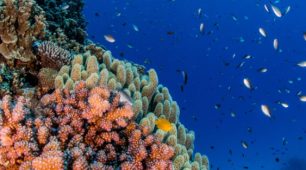
- Others remain vibrant and healthy
This diversity is one of the reasons the Great Barrier Reef continues to be a world-class destination.
Who Measures the Reef, and Where to Check for Yourself
We are a travel publisher, not a science agency. Three Australian government sources measure and report the condition of the Great Barrier Reef. If you want the current position rather than ours, these are the places to look.
- AIMS Long-Term Monitoring Program — surveys reefs across the Marine Park and publishes an annual summary report of coral reef condition each mid-year. You can also look up survey records for individual reefs.
- Reef Authority reef health updates — issued weekly from December to April and monthly from May to November. Read the latest update.
- Reef snapshot — a joint Reef Authority, AIMS and CSIRO summary of each summer’s conditions and their impact on coral. Read the current snapshot.
External sources on this page last verified 31 July 2026.
What Is Being Done to Protect the Reef?
There are extensive efforts underway to monitor and protect the Great Barrier Reef, including:
-
- Scientific research and reef monitoring, including the AIMS Long-Term Monitoring Program and the Reef Authority’s year-round reef health monitoring
- Coral restoration and regeneration projects
- Improved water quality initiatives
- Sustainable tourism practices
- Global efforts to address climate change
Tour operators across Cairns, Port Douglas, and the Whitsundays play a vital role in protecting reef sites and educating visitors.
How You Can Help Protect the Reef
Every visitor can make a positive impact by following simple reef-safe practices:
-
- Use reef-safe sunscreen
- Avoid touching or standing on coral
- Follow your guide’s instructions while snorkelling or diving
- Dispose of waste responsibly
- Choose eco-certified tour operators
By travelling responsibly, you are helping preserve the reef for future generations.
What Visitors Can Expect Today
Despite the challenges, visitors to the Great Barrier Reef can still expect:
-
- Incredible coral formations
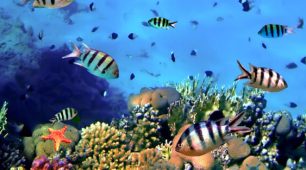
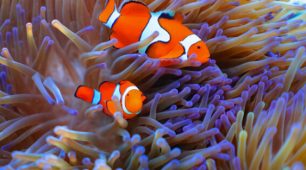
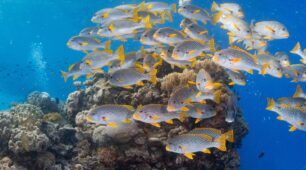
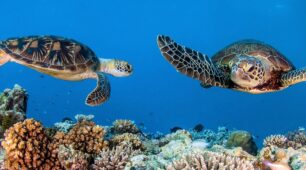
- Diverse marine life including turtles, fish, and rays
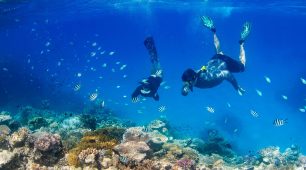
- Clear tropical waters perfect for snorkelling and scuba diving
- Professional, eco-conscious tour experiences
Many reef sites remain healthy, colourful, and full of life.
Why Education Matters
Understanding coral bleaching helps visitors:
-
- Appreciate the reef more deeply
- Make informed travel choices
- Become ambassadors for reef protection
The more people who understand the reef, the stronger its future becomes.
FAQs About Coral Bleaching
What is coral bleaching in simple terms?
Is bleached coral dead?
Can the Great Barrier Reef recover from bleaching?
Is it still worth visiting the reef?
How can tourists help prevent coral bleaching?
Conclusion
Coral bleaching is a natural response to environmental stress, but it is also a reminder of how important it is to care for our oceans.
The Great Barrier Reef is resilient, diverse, and still one of the most breath taking places on Earth. By understanding coral bleaching and making responsible choices, every visitor becomes part of the solution.
Together, we can protect and celebrate this extraordinary natural wonder.
Discover Australia’s Great Barrier Reef Today





A Hot Getaways destination. Where Care is Our Compass.