
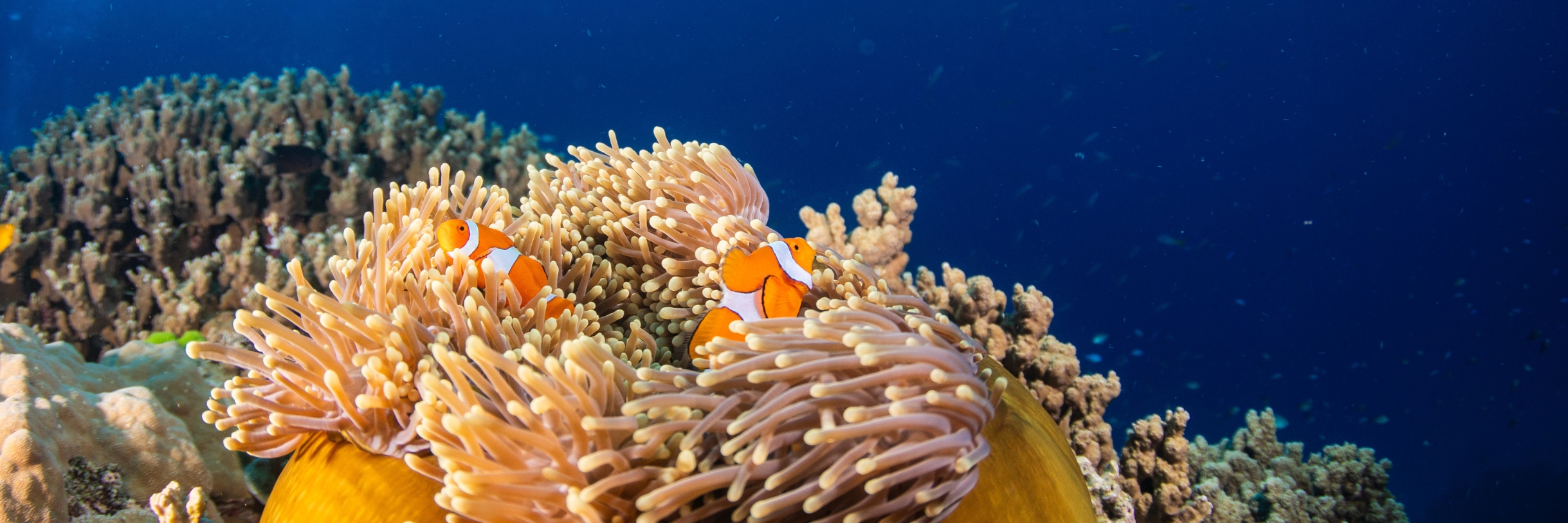
“The reef isn’t just beautiful. It’s a web of relationships so complex and interdependent that every species matters to every other.”
Reef Relationships – How Marine Life Works Together on the Great Barrier Reef
Quick Facts About Reef Relationships
-
- The Great Barrier Reef is built on complex biological partnerships
- Many species rely on mutualism, commensalism, and symbiosis to survive
- Coral reefs are among the most interconnected ecosystems on Earth
- Small fish, coral, and invertebrates work together to clean, protect, and feed one another
- These relationships help maintain the health, balance, and resilience of the reef
- Visitors can often observe these partnerships while snorkelling and diving
- Understanding reef relationships enhances appreciation and supports reef conservation
Introduction to Reef Relationships on the Great Barrier Reef
The Great Barrier Reef is not just a collection of beautiful corals and colourful fish it is a living, breathing network of relationships. Every creature, from the smallest shrimp to the largest reef shark, plays a role in maintaining the balance of this extraordinary ecosystem.
Reef relationships, also known as symbiotic relationships, are essential to the survival of marine life. These partnerships allow species to share resources, protect one another, and thrive in an environment that can be both competitive and fragile.
By understanding how marine life works together, visitors gain a deeper appreciation of the reef and why protecting it is so important.
What Are Reef Relationships?
Reef relationships describe how different marine species interact with one another. These interactions typically fall into three main categories:
Mutualism (Both Species Benefit)
-
- Both organisms gain something from the relationship
- One of the most common and important relationships on the reef
Commensalism (One Benefits, One Unaffected)
-
- One species benefits while the other is neither helped nor harmed
Parasitism (One Benefits, One is Harmed)
-
- One organism benefits at the expense of another
These interactions create a dynamic and interconnected ecosystem where survival depends on cooperation as much as competition.
Famous Reef Relationships You Can See
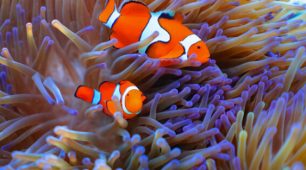
Clownfish and Sea Anemones – A Perfect Partnership
-
- Clownfish live safely among the stinging tentacles of sea anemones
- The anemone protects the clownfish from predators
- The clownfish cleans the anemone and provides nutrients through waste
This is one of the most recognisable examples of mutualism on the reef.
Cleaner Fish and Larger Fish – The Reef’s Cleaning Stations
Cleaner wrasse and shrimp remove parasites from larger fish
Larger fish queue patiently at “cleaning stations”
Both species benefit: food for the cleaner, health for the host
These cleaning stations are often highlights for divers and snorkellers.
Coral and Zooxanthellae – The Foundation of the Reef
-
- Tiny algae (zooxanthellae) live inside coral tissue
- They provide energy to coral through photosynthesis
- Coral provides shelter and nutrients
This relationship is the engine of the entire reef ecosystem
Gobies and Shrimp – A Team Effort
-
- Shrimp dig and maintain burrows
- Gobies act as lookouts for predators
- Both share the same home for protection
Remoras and Sharks – Hitchhikers of the Reef
-
- Remoras attach to sharks and larger marine animals
- They feed on scraps and gain transport
- The host is largely unaffected
Why Reef Relationships Are So Important
Reef relationships are not just interesting, they are critical to the survival of the ecosystem.
Key Roles They Play:
-
- Maintain reef health and cleanliness
- Support biodiversity and species survival
- Help coral reefs grow and reproduce
- Create balance within the food chain
- Increase resilience to environmental stress
Without these relationships, the reef would struggle to function.
How Visitors Can Observe Reef Relationships
Visitors to the Great Barrier Reef have a unique opportunity to witness these interactions first hand.
Best Ways to See Reef Relationships:
-
- Snorkelling over shallow coral gardens
- Scuba diving at outer reef sites
- Visiting reef pontoons with guided tours
- Joining marine biologist-led experiences
What to Look For:
-
- Small fish darting between coral branches
- Cleaner stations with larger fish hovering
- Clownfish moving within anemones
- Shrimp and gobies near sandy burrows
Patience and observation often reveal the most fascinating behaviours.
See them on a reef tour
Clownfish in their anemones, cleaner wrasse at work and many other reef partnerships can be seen on outer reef snorkel and dive trips, though sightings are never guaranteed.



Protecting Reef Relationships
These delicate partnerships depend on a healthy reef environment.
How You Can Help:
-
- Use reef-safe sunscreen
- Avoid touching coral or marine life
- Maintain proper buoyancy while diving
- Choose eco-certified tour operators
- Learn and share knowledge about reef conservation
Every small action contributes to protecting these vital connections.
FAQs About Reef Relationships
What is the most important relationship on the Great Barrier Reef?
Can I see reef relationships while snorkelling?
Are reef relationships fragile?
What is a cleaning station on the reef?
Why are reef relationships important for tourism?
Conclusion: A Living Network of Connection
The Great Barrier Reef is one of the most extraordinary examples of cooperation in nature. Every coral, fish, and marine creature is part of a complex web of relationships that keeps the ecosystem thriving.
By understanding these connections, visitors don’t just see the reef—they begin to truly appreciate it.
And that appreciation is the first step in protecting one of the world’s greatest natural wonders.
Great Barrier Reef Tours



A Hot Getaways destination. Where Care is Our Compass.
