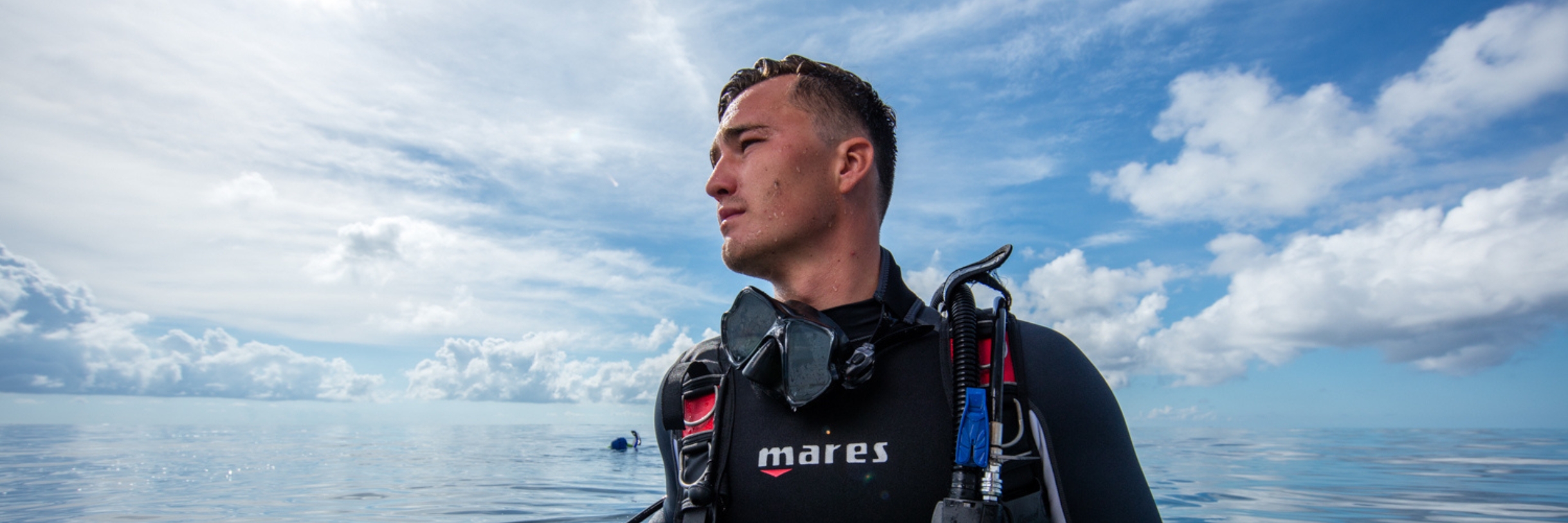
“Certified divers from every corner of the world come to the Great Barrier Reef for one reason: to experience something irreplaceable.”
Scuba Diving the Great Barrier Reef – A Guide for Certified Divers
The Great Barrier Reef is one of the world’s most spectacular scuba diving destinations, attracting certified divers from across the globe. Stretching more than 2,300 kilometres along Queensland’s coastline, it offers thousands of individual reefs, coral cays and dive sites filled with colourful coral gardens, tropical fish, turtles, rays, reef sharks and countless other marine species.
Whether you’re visiting Australia for the first time or returning for another diving adventure, certified scuba diving on the Great Barrier Reef provides access to deeper reefs, exciting swim-throughs, dramatic coral walls and thriving marine ecosystems that cannot be fully experienced while snorkelling alone.
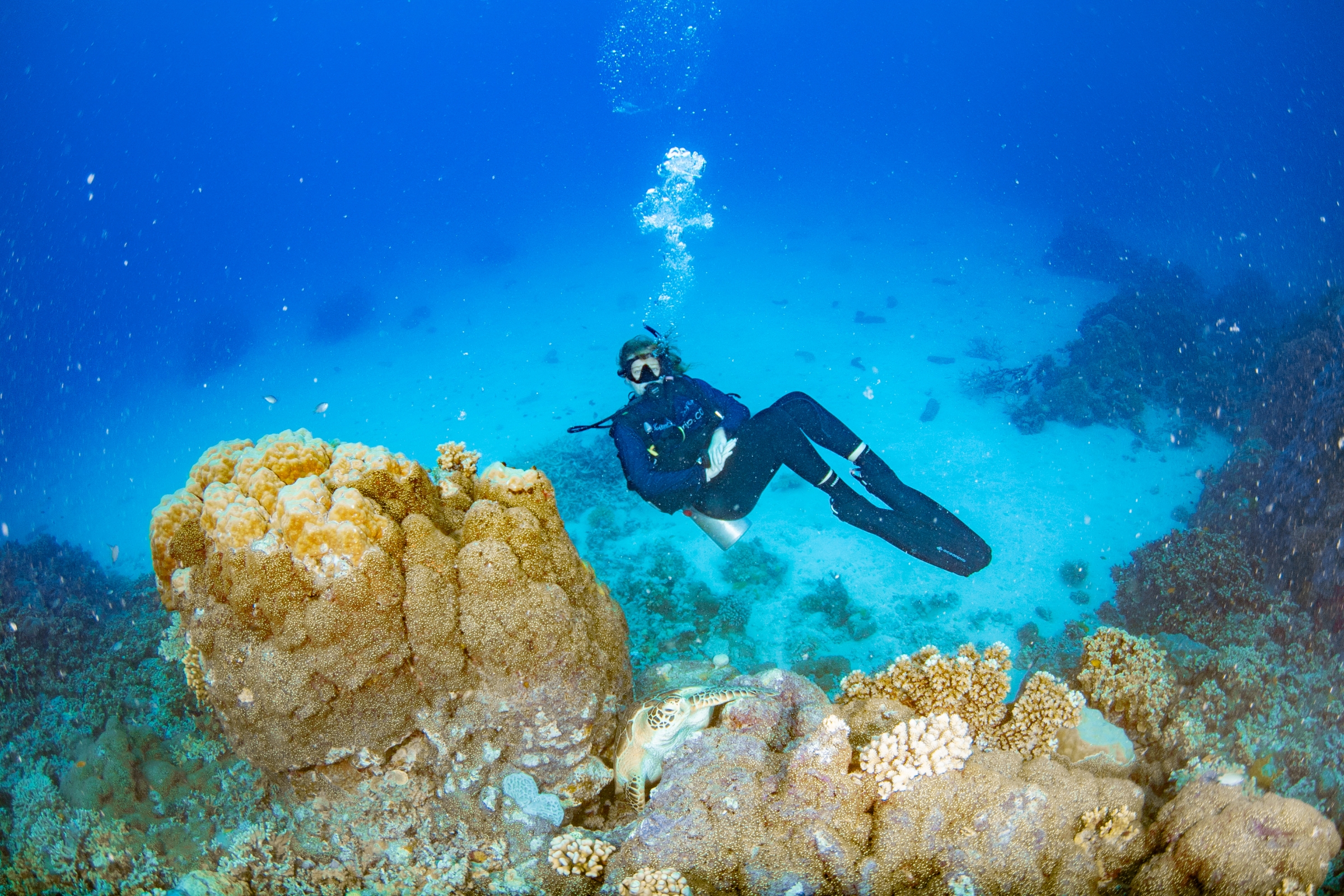
This guide explains everything certified divers need to know before booking a Great Barrier
Reef dive tour, including accepted certifications, medical requirements, equipment, refresher dives, flying after diving and choosing the right tour.
Certified Diving at a Glance
| Feature | Information |
|---|
| Suitable For | Certified Open Water Divers and above |
| Minimum Age | Usually 10 years (operator dependent) |
| Certification Required | Yes |
| Accepted Agencies | PADI, SSI, NAUI, CMAS, BSAC, RAID, SDI and most internationally recognised agencies |
| Equipment Included | Yes on most day tours and liveaboards |
| Dive Depth | According to your certification level |
| Best Departure Points | Cairns, Port Douglas and Airlie Beach |
| Best Experience | Outer Great Barrier Reef diving |
| Visibility | Often 15–30 metres, depending on conditions |
| Water Temperature | Approximately 22°C–29°C throughout the year |
What Is Certified Scuba Diving?
Certified scuba diving allows qualified divers to explore the underwater world independently while following internationally recognised diving standards and safe diving practices.
Unlike introductory scuba diving, certified divers have completed formal dive training and demonstrated the skills required to plan and conduct recreational dives safely within the limits of their certification.
Certified diving allows you to:
-
- Dive to greater depths within your certification limits.
- Enjoy longer underwater experiences.
- Explore a wider variety of reef sites.
- Dive alongside experienced dive buddies.
- Experience spectacular coral formations and marine life.
The Great Barrier Reef is regarded as one of the finest locations in the world for certified diving due to its exceptional biodiversity, warm tropical waters and incredible visibility.
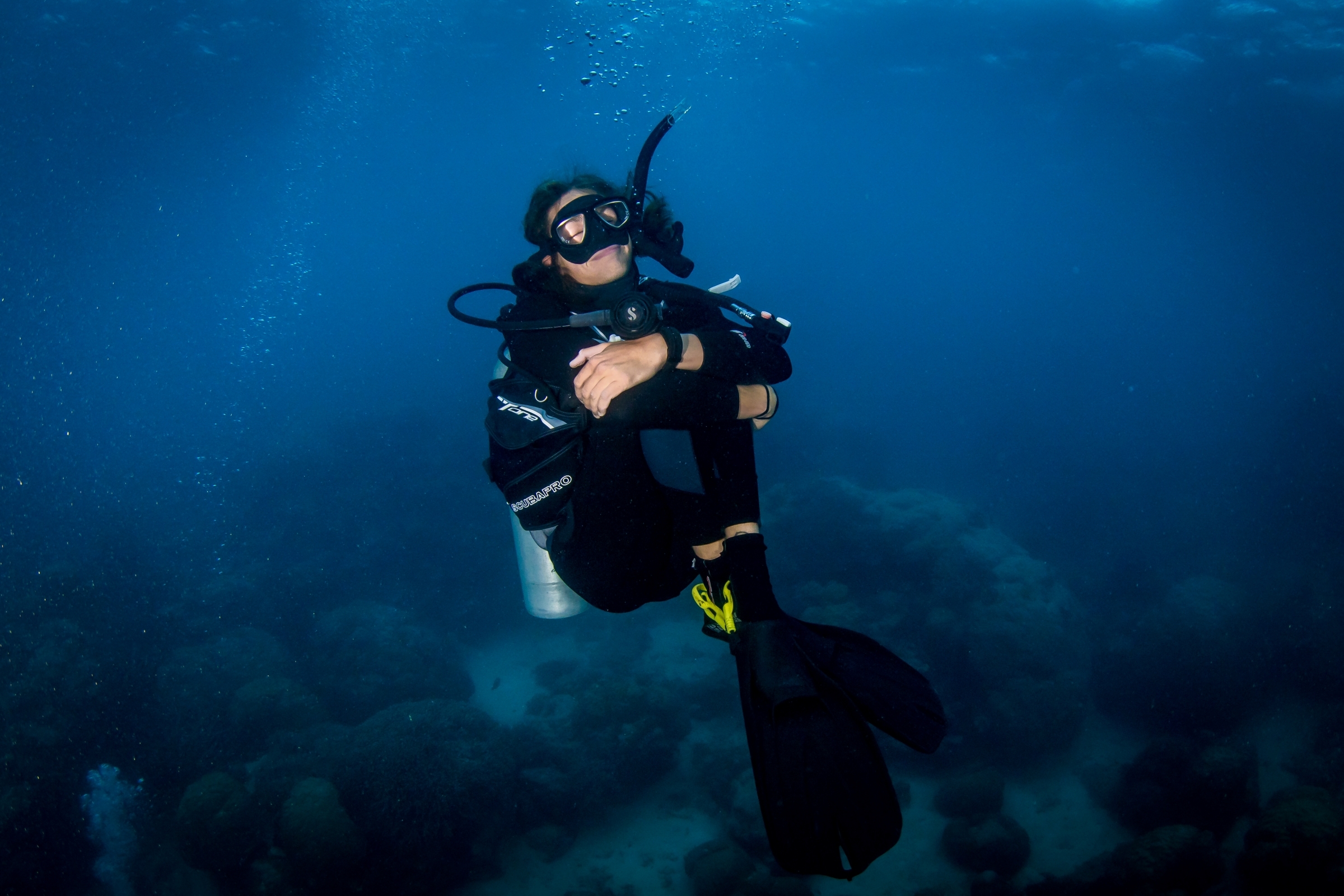
Why Dive the Great Barrier Reef?
Few destinations compare with the diversity of the Great Barrier Reef. Every dive offers something different, from vibrant coral gardens to dramatic bommies, sandy lagoons and sheer reef walls.
Certified divers may encounter:
Each dive site has its own unique ecosystem, making every dive memorable.
Who Can Join Certified Dives?
Certified scuba dives are designed for divers who hold a recognised scuba certification.
Most operators welcome certifications from internationally recognised training agencies including:
-
- PADI
- SSI
- NAUI
- CMAS
- BSAC
- SDI
- RAID
- SAA
- Other recognised agencies
Your dive certification determines the maximum recreational depth you may dive and the type of dives suitable for your experience level.
If you are unsure whether your certification is accepted, simply contact the dive operator before booking.
Proof of Certification
Before participating in a certified dive, you will normally need to provide proof of certification.
Accepted proof may include:
-
- Physical certification card
- Digital certification card
- Agency mobile app
- Online certification verification
Bringing your certification details helps the dive crew verify your qualification quickly and ensures your diving experience begins smoothly.
Why This Matters
Certified scuba diving opens the door to some of the most spectacular underwater experiences on Earth. With the right training, equipment and preparation, you can safely explore the Great Barrier Reef’s incredible marine life while experiencing parts of the reef that few visitors ever see.
In the next sections of this guide, we’ll cover refresher dives, medical requirements, equipment, dive safety, flying after diving and how to choose the best Great Barrier Reef dive tour for your experience level.
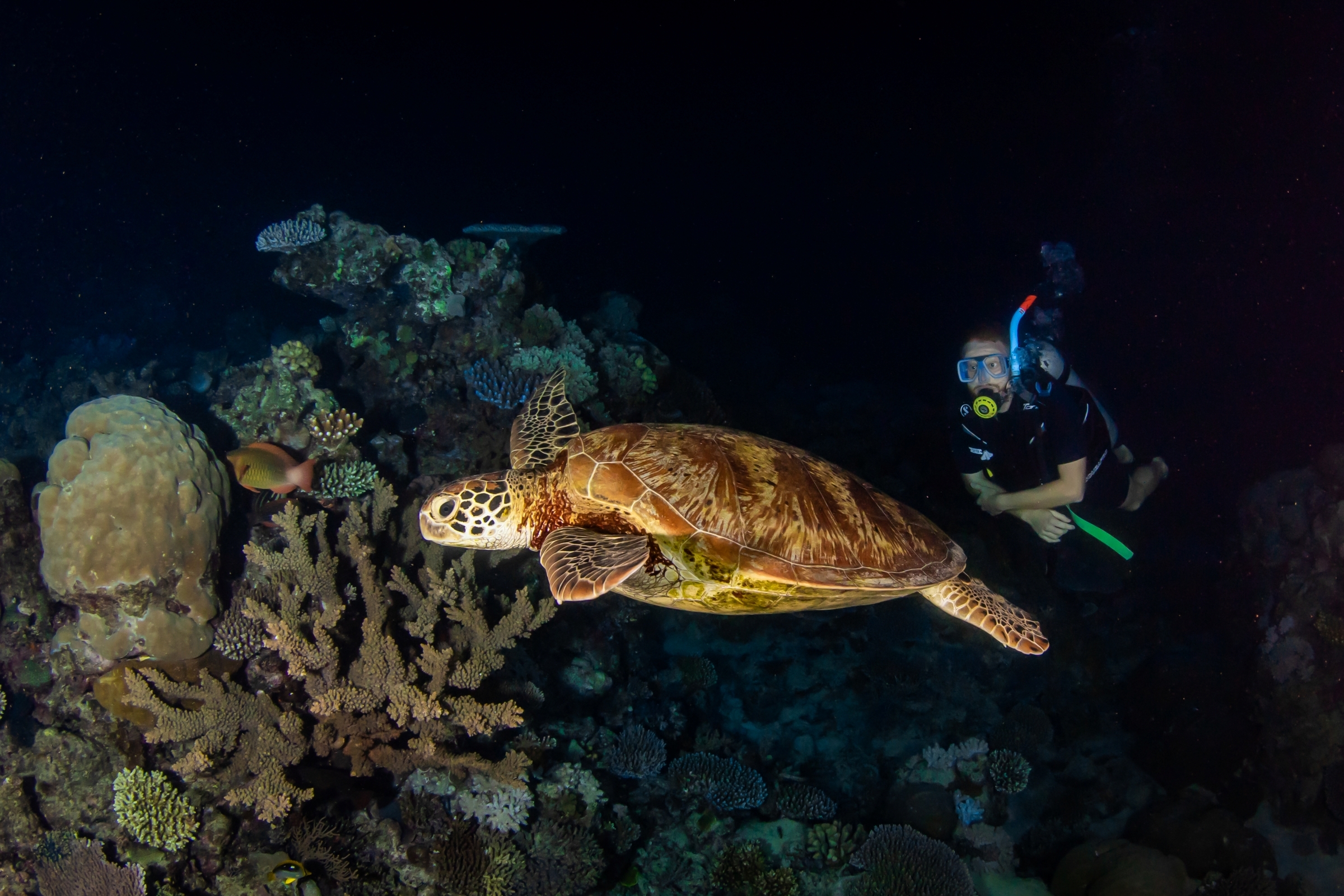
Refresher Dives – Do I Need One?
Even experienced divers can benefit from a refresher dive if they have not been underwater for an extended period. Scuba diving is a skill that improves with regular practice, and completing a refresher helps rebuild confidence while ensuring your skills remain current.
Many Great Barrier Reef dive operators recommend a refresher if you have not dived within the last 12 to 24 months, although individual policies vary. Some operators may require a supervised refresher dive before allowing participation in more advanced or deeper dives.
A refresher dive usually includes:
-
- Reviewing dive equipment and correct assembly.
- Practising buoyancy control.
- Mask clearing and regulator recovery.
- Controlled ascents and descents.
- Communication using underwater hand signals.
- Emergency procedures.
- Weight checks and trim adjustments.
For many divers, a refresher is one of the best ways to begin a Great Barrier Reef holiday. It allows you to relax, regain confidence and fully enjoy the incredible coral reefs and marine life waiting below the surface.
Medical Requirements for Certified Divers
Your health and safety are the highest priority on every Great Barrier Reef dive.
All certified divers are required to complete a medical questionnaire before diving. Although you already hold a scuba certification, changes to your health since your last dive may affect whether it is safe to dive.
You should advise the dive operator if you have:
-
- Asthma or chronic lung conditions.
- Heart disease or high blood pressure.
- Diabetes requiring medication.
- Epilepsy or seizures.
- Recent surgery.
- Ear or sinus problems.
- Neurological disorders.
- Pregnancy.
- Any condition that may affect your ability to dive safely.
Some medical conditions require assessment by a doctor experienced in diving medicine before you can participate.
If you answer “Yes” to certain medical screening questions, you may need written clearance from a diving medical practitioner before your dive.
If you are unsure, contact your tour operator well before your travel date to avoid disappointment.
Flying After Diving
One of the most important safety considerations for certified divers is allowing enough time between your final dive and boarding an aircraft.
After scuba diving, nitrogen absorbed by your body needs time to safely leave your system. Flying too soon after diving increases the risk of decompression sickness.
Current recreational diving recommendations are:
| Diving Activity | Recommended Wait Before Flying |
|---|---|
| One no-decompression dive | Minimum 12 hours |
| Multiple dives in one day | Minimum 18 hours |
| Multiple days of diving or liveaboards | At least 18–24 hours |
If you are planning to continue travelling after your Great Barrier Reef adventure, allow enough time before flying home or travelling to higher altitudes.
Your dive crew will always provide guidance based on your actual dive profile.
Dive Equipment
One of the advantages of diving on the Great Barrier Reef is that almost everything you need is provided.
Most certified dive tours include:
-
- BCD (Buoyancy Control Device)
- Regulator
- Dive computer (available on many tours or for hire)
- Cylinder and air fills
- Wetsuit or stinger suit (seasonal)
- Mask
- Snorkel
- Fins
- Weight system
Many divers choose to bring their own:
-
- Mask
- Dive computer
- Surface marker buoy (SMB)
- Underwater camera
- Compass
- Dive torch
- Exposure suit
Using your own mask and computer can increase comfort and familiarity throughout your dives.
Understanding Certification Levels
Different certification levels allow divers to participate in different types of dives.
Open Water Diver
The world’s most common recreational diving certification. Open Water Divers are qualified to dive independently with another certified diver within the limits of their training.
Advanced Open Water Diver
Advanced certification introduces deeper diving, navigation and specialty experiences while expanding a diver’s skills and confidence.
Rescue Diver
Rescue Divers receive additional training in recognising and responding to diving emergencies while improving situational awareness and dive planning.
Specialty Certifications
Many divers continue their education through specialties such as:
-
- Nitrox Diving
- Deep Diving
- Night Diving
- Wreck Diving
- Underwater Photography
- Peak Performance Buoyancy
- Drift Diving
These qualifications allow divers to safely experience an even wider range of Great Barrier Reef dive sites.
The Best Great Barrier Reef Dive Sites for Certified Divers
With more than 2,900 individual reefs and hundreds of recognised dive sites, the Great Barrier Reef offers an incredible variety of underwater environments. From shallow coral gardens perfect for underwater photography to dramatic walls and deep bommies teeming with marine life, there is a dive site to suit every certified diver.
Most day trips departing from Cairns and Port Douglas visit the spectacular Outer Great Barrier Reef, where healthy coral ecosystems, excellent visibility and abundant marine life provide unforgettable diving experiences.
Some of the reef’s most famous dive sites include:
Norman Reef
One of the most popular reefs accessed from Cairns, Norman Reef features colourful coral gardens, sandy lagoons and impressive coral bommies. Divers regularly encounter turtles, giant clams, clownfish, reef sharks and schools of tropical fish.
Norman Reef is suitable for newly certified divers as well as experienced underwater photographers.
Saxon Reef
Known for its crystal-clear water and incredible coral diversity, Saxon Reef offers gentle drift dives and spectacular hard coral formations.
Marine life commonly includes:
-
- Green Sea Turtles
- White Tip Reef Sharks
- Giant Trevally
- Barramundi Cod
- Maori Wrasse
- Blue-Spotted Lagoon Rays
Hastings Reef
Hastings Reef is famous for its excellent visibility and healthy coral gardens. Large schools of reef fish surround the coral bommies while turtles and reef sharks are frequently seen cruising through the clear blue water.
This reef is popular with both snorkellers and certified divers.
Flynn Reef
Flynn Reef offers a wonderful combination of shallow coral gardens and deeper walls that support an extraordinary variety of marine life.
Divers often enjoy:
-
- Swim-throughs
- Colourful soft corals
- Giant sea fans
- Reef sharks
- Barracuda
- Turtles
- Potato Cod
Milln Reef
Milln Reef consistently ranks among Australia’s best scuba diving locations.
Its deep walls, coral bommies and clear water attract:
-
- Eagle Rays
- Giant Trevally
- Schools of fusiliers
- Barramundi Cod
- Potato Cod
- Reef Sharks
Visibility often exceeds 25 metres during favourable conditions.
Agincourt Reef
Located off Port Douglas, Agincourt Reef is one of the northernmost sections of the Great Barrier Reef visited by day tours.
Its pristine coral formations and clear oceanic water create spectacular diving conditions.
Divers frequently see:
-
- Maori Wrasse
- Reef Sharks
- Turtles
- Giant Clams
- Soft Coral Gardens
- Schools of colourful reef fish
What Marine Life Can Certified Divers Expect?
Every dive on the Great Barrier Reef is unique. Seasonal migrations, water temperature and tidal conditions all influence which marine animals you may encounter.
Some of the reef’s most iconic residents include:
Sea Turtles
Green and Hawksbill Sea Turtles are among the reef’s most loved animals. They are often seen feeding on seagrass, resting beneath coral ledges or gracefully swimming through coral gardens.
Learn more about Green Sea Turtles and Hawksbill Turtles.
Barramundi Cod
Recognisable by its cream body covered in black spots, the Barramundi Cod is one of the reef’s most distinctive fish. These gentle predators are frequently seen hovering near coral bommies and caves.
Learn more about the Barramundi Cod.
Potato Cod
The enormous Potato Cod is a favourite among experienced divers. Some individuals grow well over one metre long and are known for their calm, inquisitive nature.
Learn more about the Potato Cod.
Maori Wrasse
The Humphead or Maori Wrasse is one of the largest reef fish in the world. Its striking colours and friendly personality make every encounter memorable.
Learn more about the Maori Wrasse
Reef Sharks
White Tip and Black Tip Reef Sharks are common throughout the Great Barrier Reef. Despite their impressive appearance, they are generally shy and play a vital role in maintaining a healthy marine ecosystem.
Learn more about Great Barrier Reef Sharks.
Manta Rays
Seasonally, lucky divers may encounter graceful Manta Rays gliding effortlessly through the reef. Their wingspan can exceed six metres, creating one of the most breathtaking underwater spectacles.
Learn more about Manta Rays
Dwarf Minke Whales
Between June and July, certified divers may experience one of Australia’s most extraordinary wildlife encounters by swimming with Dwarf Minke Whales on selected liveaboard expeditions.
This is one of the few places on Earth where these curious whales regularly interact with people in the wild.
Choosing the Best Great Barrier Reef Tour for Certified Divers
Every certified diver has different goals. Some are looking for a relaxed day exploring colourful coral gardens, while others want challenging drift dives, remote reefs or multiple days of diving from a liveaboard. Choosing the right tour depends on your experience level, available time and the type of underwater adventure you want.
The Great Barrier Reef offers everything from single-day reef cruises to world-class liveaboard expeditions visiting remote reefs that few people ever experience.
Best Day Tours for Certified Divers
Reef Experience – Cairns
Reef Experience is one of Cairns’ most popular Outer Great Barrier Reef day tours and is an excellent choice for certified divers of all experience levels. The vessel visits a selection of Outer Reef locations each day, allowing the crew to choose the best dive sites based on weather, visibility and sea conditions.
Ideal for:
-
- Newly certified divers
- Holiday divers
- Underwater photographers
- Divers wanting two or three dives in one day
Highlights include:
-
- Up to three certified dives
- Small guided dive groups
- Professional dive crew
- Healthy coral gardens
- Abundant marine life
Evolution Reef Cruises – Cairns
Evolution combines speed, comfort and excellent diving. Its fast catamaran reduces travel time, giving divers more time underwater.
Ideal for
-
- Experienced recreational divers
- Visitors with limited time
- Divers wanting maximum reef time
Highlights include:
-
- Two certified dives
- Large dive deck
- Excellent facilities
- Outer Reef locations
Silversonic – Port Douglas
Silversonic departs Port Douglas and visits the spectacular Agincourt Ribbon Reefs, one of the healthiest sections of the Great Barrier Reef.
Ideal for:
-
- Divers staying in Port Douglas
- Intermediate divers
- Photography enthusiasts
Highlights include:
-
- Three dive sites
- Exceptional visibility
- Healthy hard corals
- Excellent fish life
Quicksilver Cruises – Port Douglas
Quicksilver is famous for its spacious activity platform at Agincourt Reef. Certified divers can enjoy guided dives while family members snorkel or participate in other reef activities.
Ideal for:
-
- Families
- Mixed snorkelling and diving groups
- First-time visitors to Port Douglas
Best Liveaboards for Certified Divers
If you want to experience the Great Barrier Reef beyond a single day, a liveaboard is difficult to beat. Spending several days on the reef allows you to visit remote dive sites, enjoy early morning dives and experience spectacular night dives.
Pro Dive Cairns
Pro Dive Cairns offers three-day liveaboard expeditions visiting Flynn Reef, Milln Reef and Thetford Reef.
Perfect for:
-
- Open Water Divers
- Advanced Divers
- Photographers
- Divers wanting up to 11 dives
Spirit of Freedom
Spirit of Freedom is one of Australia’s most prestigious liveaboards, exploring the Ribbon Reefs, Cod Hole and Coral Sea.
Perfect for:
-
- Experienced divers
- Adventure seekers
- Shark enthusiasts
- Underwater photographers
Mike Ball Dive Expeditions
Mike Ball operates premium expeditions to some of Australia’s most remote dive sites, including Osprey Reef in the Coral Sea.
Perfect for:
-
- Advanced divers
- Expedition diving
- Remote reef exploration
- Bucket-list dive holidays
Which Tour Is Right for You?
| If you want… | We recommend… |
|---|---|
| Your first certified dives on the Great Barrier Reef | Reef Experience |
| A fast and comfortable day trip | Evolution Reef Cruises |
| Diving from Port Douglas | Silversonic or Quicksilver |
| A multi-day reef adventure | Pro Dive Cairns |
| Premium liveaboard diving | Spirit of Freedom |
| Remote expedition diving | Mike Ball Dive Expeditions |
Responsible Diving on the Great Barrier Reef
The Great Barrier Reef is a UNESCO World Heritage Site and one of the world’s most important marine ecosystems. Every certified diver has a responsibility to help protect this extraordinary environment.
While diving:
-
- Maintain good buoyancy to avoid contacting the reef.
- Never stand or kneel on coral.
- Do not chase, touch or feed marine animals.
- Secure gauges and alternate air sources to prevent accidental contact with coral.
- Use reef-safe sunscreen whenever possible.
- Take only photographs and leave only bubbles.
By following responsible diving practices, you help ensure future generations can experience the beauty of the Great Barrier Reef.
Why Certified Divers Love the Great Barrier Reef
-
- Explore one of the Seven Natural Wonders of the World.
- Dive among more than 1,500 species of reef fish.
- Discover spectacular coral gardens and bommies.
- Encounter turtles, rays, reef sharks and giant groupers.
- Enjoy warm tropical water throughout the year.
- Choose from hundreds of world-class dive sites.
- Return home with unforgettable underwater memories.
When Is the Best Time to Go Certified Scuba Diving on the Great Barrier Reef?
One of the greatest advantages of the Great Barrier Reef is that scuba diving is available all year round. Each season offers different underwater conditions and unique marine life encounters, making every visit special.
| Season | Water Temperature | Visibility | Marine Life Highlights |
|---|
| Summer (Dec–Feb) | 27–29°C | Good to Excellent | Turtles, reef fish, coral spawning (selected years) |
| Autumn (Mar–May) | 25–28°C | Excellent | Calm seas, colourful coral, excellent visibility |
| Winter (Jun–Aug) | 22–24°C | Outstanding | Dwarf Minke Whales, humpback whales, clear water |
| Spring (Sep–Nov) | 24–27°C | Excellent | Manta rays, turtles, vibrant coral growth |
Summer Diving
Warm tropical water makes summer ideal for long dives and colourful marine life. Stinger suits may be recommended during the marine stinger season, and your dive operator will provide the appropriate exposure protection.
Autumn Diving
Many experienced divers consider autumn one of the best times to dive the Great Barrier Reef. Sea conditions are often calm, visibility is excellent and water temperatures remain pleasantly warm.
Winter Diving
Winter is famous for crystal-clear visibility and encounters with Dwarf Minke Whales, making it a favourite season for underwater photographers and experienced divers.
Spring Diving
Spring offers warming water temperatures and abundant marine activity. Coral reefs are full of life, making it an excellent season for both newly certified and experienced divers.
Top Marine Life Certified Divers May Encounter
Every dive on the Great Barrier Reef is different, but some of Australia’s most iconic marine animals are seen regularly.
During your dives you may encounter:
-
- Green Sea Turtle
- Hawksbill Turtle
- Loggerhead Turtle
- Barramundi Cod
- Potato Cod
- Giant Grouper
- Maori Wrasse
- Clownfish
- Coral Trout
- Lionfish
- Blue-Spotted Lagoon Ray
- Eagle Ray
- White Tip Reef Shark
- Black Tip Reef Shark
- Grey Reef Shark
- Giant Trevally
- Giant Clams
- Nudibranchs
- Octopus
- Dwarf Minke Whales (seasonal)
Seven Reasons You’ll Love Certified Diving on the Great Barrier Reef
-
- Explore one of the world’s greatest natural wonders.
- Dive colourful coral reefs with exceptional visibility.
- Encounter incredible marine life in its natural habitat.
- Choose from hundreds of unique dive sites.
- Experience warm tropical waters throughout the year.
- Dive with experienced professional crews and guides.
- Create unforgettable memories beneath the surface of the Great Barrier Reef.
Certified Diver Travel Checklist
Before heading out to explore the Great Barrier Reef, use this checklist to make sure you’re fully prepared for an enjoyable and safe diving adventure. Download your copy today.
certified-diver-travel-checklist
Frequently Asked Questions
Do I need to bring my scuba certification card?
What if I haven't dived for several years?
Can certified divers hire equipment?
How many dives can I do in one day?
Are guided dives available?
Is Nitrox available?
What happens if the weather changes?
Can I dive if I wear prescription glasses?
Is the Great Barrier Reef suitable for newly certified divers?
Which is better — a day trip or a liveaboard?
Can I Scuba Dive if I’m on My Period?
Yes. In most cases, **you can safely scuba dive or snorkel while you are on your period**. Menstruation is not considered a reason to avoid recreational diving or snorkelling for healthy individuals.
Many women enjoy Great Barrier Reef tours while on their period without any issues. You can use your preferred menstrual products, such as tampons or menstrual cups, while participating in water activities.
Some women may notice mild changes such as increased fatigue, cramps or bloating during their menstrual cycle. If you’re experiencing discomfort, listen to your body and decide whether you feel comfortable diving or snorkelling that day.
There is **no scientific evidence that menstruation attracts sharks**. Sharks are naturally present on healthy coral reefs, and reputable Great Barrier Reef tour operators follow strict safety procedures for all water activities.
If you have unusually heavy bleeding, severe pain or an underlying medical condition, it’s a good idea to speak with your doctor before travelling.
If you’re ever unsure, our friendly crew is always happy to answer your questions privately and help you choose the activities that are right for you.
Conclusion
Certified scuba diving on the Great Barrier Reef is one of Australia’s most rewarding adventures. Whether you are completing your first dives after earning your certification or you’re an experienced diver returning to explore new reefs, the Great Barrier Reef offers extraordinary underwater experiences unlike anywhere else on Earth.
From colourful coral gardens and graceful sea turtles to giant groupers, reef sharks and seasonal whale encounters, every dive reveals something new. With professional dive operators, exceptional marine biodiversity and world-class dive sites, it’s easy to understand why divers travel from around the world to experience this UNESCO World Heritage-listed destination.
Before booking, ensure your certification is current, review your medical fitness to dive, allow sufficient time before flying and choose a tour that matches your experience level and diving goals. With the right preparation, your certified diving adventure on the Great Barrier Reef will be safe, memorable and truly unforgettable.
Continue Exploring Our Scuba Diving Hub
You may also find these guides helpful:
A Hot Getaways destination. Where Care is Our Compass.