
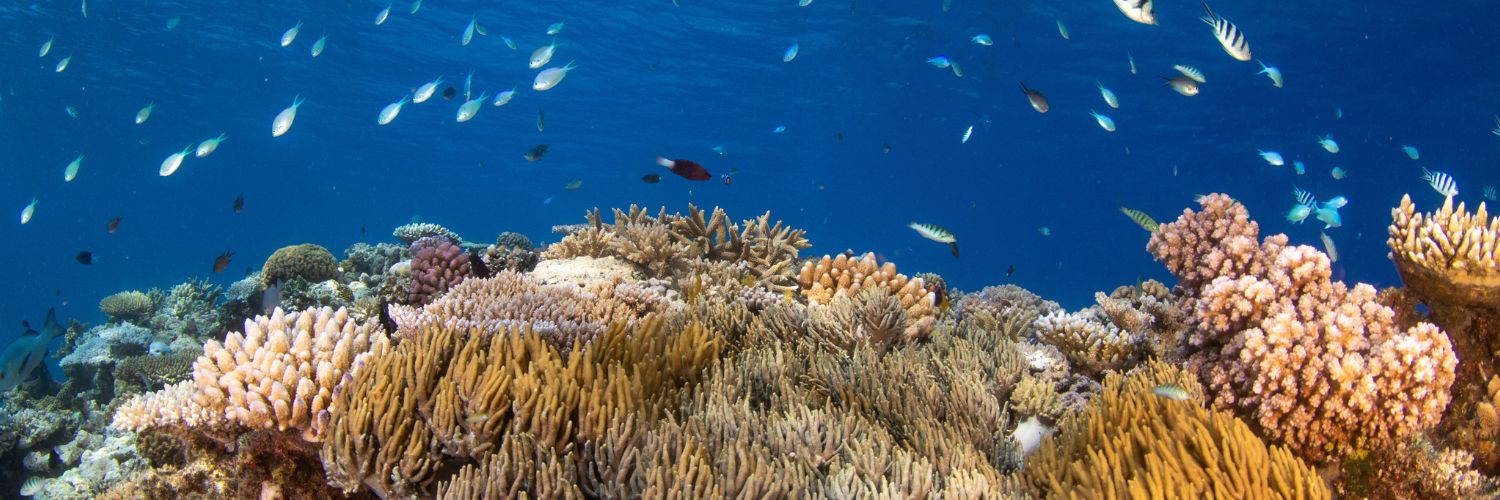
“The Great Barrier Reef contains more recorded facts than any book can hold. Here are the ones that matter most.”
Great Barrier Reef Facts – Everything You Need to Know
Explore Great Barrier Reef
Discover Australia’s Greatest Natural Wonder
The Great Barrier Reef is one of the most extraordinary natural ecosystems on Earth. Stretching along the Queensland coast for more than 2,300 kilometres, it is the world’s largest coral reef system and one of Australia’s most iconic destinations.
Home to thousands of marine species, tropical islands, coral cays, and vibrant reef habitats, the Great Barrier Reef attracts millions of visitors every year who come to snorkel, dive, cruise, and experience this incredible underwater world.
-
- The world’s largest coral reef system
- Located off the coast of Queensland, Australia
- Made up of nearly 3,000 individual reefs
- Home to thousands of marine species
- Visible from space
- UNESCO World Heritage-listed since 1981
- One of the Seven Natural Wonders of the World
The Great Barrier Reef is not only a spectacular tourism destination but also one of the planet’s most important ecosystems
How Big Is the Great Barrier Reef?
The Great Barrier Reef is enormous in scale and stretches across much of Queensland’s coastline.
-
- Great Barrier Reef Size Facts
- Over 2,300 kilometres long
- Covers approximately 344,400 square kilometres
- Comprises around 2,900 individual reefs
- Includes more than 900 islands and coral cays
- Larger than Italy in total size
The reef extends from the Torres Strait in Far North Queensland down to the Bundaberg region in the south.
The reef system is so vast it can be seen from space and is considered the largest living structure on Earth.
How Old Is the Great Barrier Reef?
The modern Great Barrier Reef began forming around 8,000 years ago after the last Ice Age as sea levels rose and coral reefs developed along Queensland’s continental shelf.
However, reef structures in the region are believed to be much older, with ancient coral foundations dating back hundreds of thousands of years.
Corals grow very slowly over time, with tiny coral polyps building limestone skeletons that gradually form massive reef systems.
What Lives on the Great Barrier Reef?
The Great Barrier Reef supports one of the richest marine ecosystems in the world.
Marine Life Facts
-
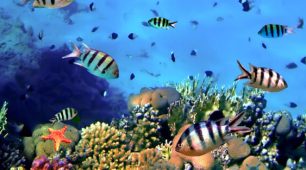
- Over 1,500 species of fish
- More than 400 types of coral
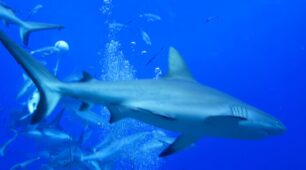
- 133 species of sharks and ray
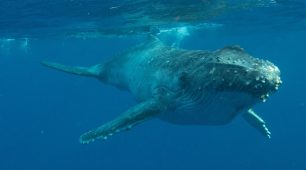
- 30 species of whales and dolphins
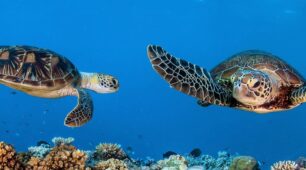
- 6 of the world’s 7 marine turtle species
- Thousands of mollusc species
- Large populations of dugongs and seabirds
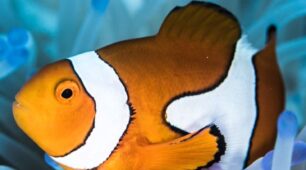
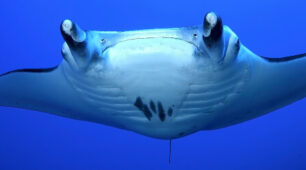
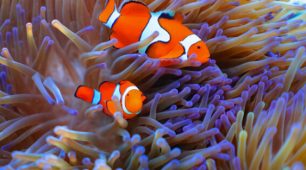
The reef is home to famous marine animals including:
Its biodiversity makes it one of Earth’s most complex natural systems.
Coral Facts
Corals are living animals, not plants or rocks.
Each coral colony is made up of tiny creatures called coral polyps that build calcium carbonate skeletons over time. These structures create the reef habitats that support thousands of marine species.
Interesting Coral Facts
-
- Corals rely on microscopic algae called zooxanthellae
- Coral reefs grow slowly over many year
- Some coral colonies are hundreds of years old
- Corals reproduce during annual coral spawning events
- Healthy coral reefs provide shelter for marine life
The Great Barrier Reef contains both hard corals and soft corals in a huge variety of colours, shapes, and sizes.
Great Barrier Reef Islands
The Great Barrier Reef includes hundreds of islands ranging from tropical rainforest islands to sandy coral cays.
Popular Great Barrier Reef Islands
Some islands feature resorts and accommodation, while others are protected national parks or important wildlife habitats.
Great Barrier Reef Marine Park
A large part of the reef is protected within the Great Barrier Reef Marine Park, established in 1975 to help manage and protect the ecosystem.
The marine park regulates:
-
- Fishing activities
- Tourism operations
- Shipping routes
- Environmental management
- Conservation zones
The Great Barrier Reef Marine Park Authority works with scientists, Traditional Owners, tourism operators, and conservation groups to help protect the reef for future generations.
Indigenous Connection to the Reef
The Great Barrier Reef holds deep cultural significance for First Nations peoples who have lived along the Queensland coast for thousands of years.
More than 70 Traditional Owner groups maintain strong cultural connections to Sea Country across the reef region.
Traditional knowledge, stories, hunting practices, and cultural heritage remain an important part of reef management and conservation today.
Why Is the Great Barrier Reef Important?
The Great Barrier Reef is globally important for:
-
- Marine biodiversity
- Tourism
- Scientific research
- Indigenous culture
- Coastal protection
- Fisheries
- Education and conservation
The reef also contributes billions of dollars annually to the Australian economy and supports tens of thousands of jobs in tourism and marine industries..
Threats Facing the Great Barrier Reef
Like coral reefs worldwide, the Great Barrier Reef faces environmental challenges.
Major Threats Include
-
- Climate change
- Coral bleaching
- Ocean warming
- Poor water quality
- Coastal runoff
- Crown-of-thorns starfish outbreaks
- Pollution and marine debris
Climate change remains the most significant long-term threat to coral reef ecosystems globally.
Mass coral bleaching events have occurred in recent years due to rising ocean temperatures, placing additional stress on reef ecosystems.
Is the Great Barrier Reef Still Worth Visiting?
Yes, the Great Barrier Reef remains one of the most spectacular natural destinations in the world.
While some areas have experienced bleaching and storm impacts, many parts of the reef remain vibrant, healthy, and full of marine life. Reef conditions vary across different regions and seasons.
Tourism also plays an important role in supporting reef education, conservation, research, and local communities.
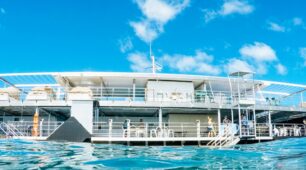
Responsible tourism helps visitors learn about the reef while supporting efforts to protect it. Reading about the reef is one thing — floating above it is another. You can experience it for yourself with a Reef Experience day tour from Cairns.
Best Places to Visit the Great Barrier Reef
Visitors can access the reef from several major Queensland destinations.
Popular Gateway Destinations
Each region offers different reef experiences including:
Amazing Great Barrier Reef Facts
Fascinating Facts About the Reef
-
- The reef is larger than Japan, the UK, and Italy individually
- It is the world’s largest coral reef ecosystem
- Coral spawning can be seen from space satellites during major events
- Some reef fish can change gender during their lifetime
- Giant clams can live for more than 100 years
- Sea turtles return to the same beaches where they hatched
- Humpback whales migrate thousands of kilometres to visit reef waters
Scientists continue discovering new species and learning more about the reef every year.
Frequently Asked Questions About the Great Barrier Reef
How long is the Great Barrier Reef?
Can you see the Great Barrier Reef from space?
How many animals live on the Great Barrier Reef?
Why is the Great Barrier Reef important?
What is the biggest threat to the Great Barrier Reef?
Experience the Great Barrier Reef
The Great Barrier Reef is one of the world’s most incredible natural treasures. From colourful coral gardens and tropical fish to turtles, manta rays, and island adventures, the reef offers unforgettable experiences for visitors of all ages.
Whether you are snorkelling for the first time, joining a liveaboard expedition, relaxing on a tropical island, or learning about marine conservation, the Great Barrier Reef continues to inspire people from around the world with its beauty, diversity, and importance.
Discover the Best Great Barrier Reef Tours





A Hot Getaways destination. Where Care is Our Compass.
