
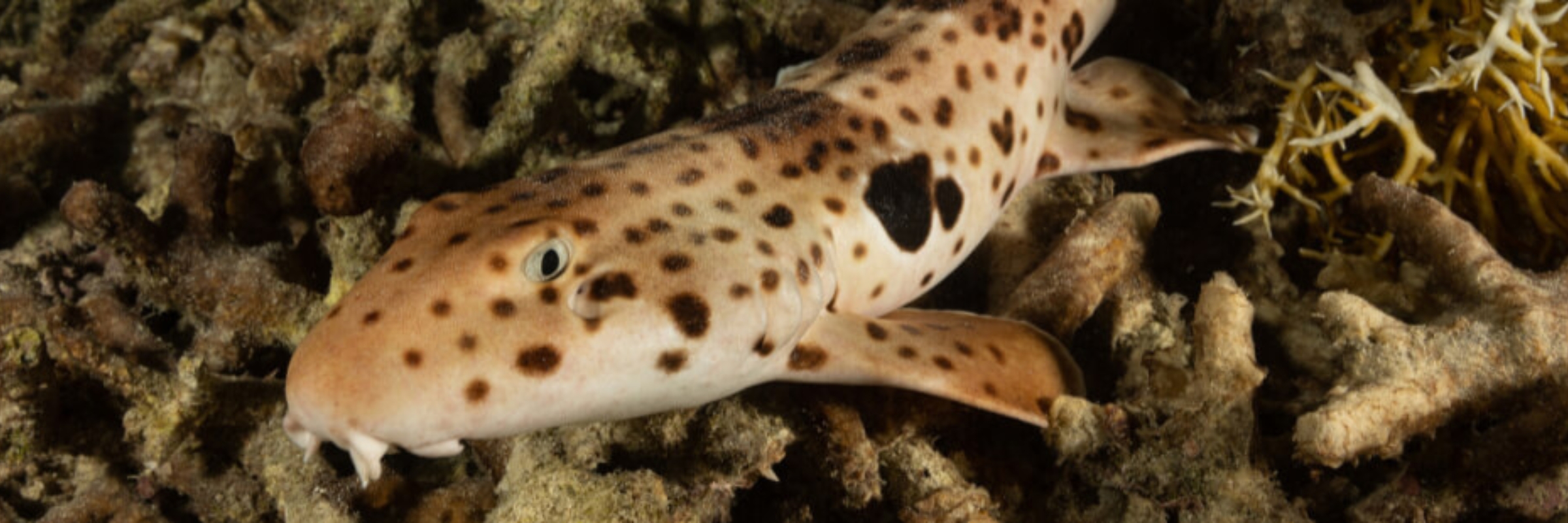
“The epaulette shark doesn’t swim through the reef — it walks across it, using its fins like legs in the shallows.”
Epaulette Shark – The Walking Shark of the Great Barrier Reef
The Epaulette Shark (Hemiscyllium ocellatum) is one of the Great Barrier Reef’s most unusual and endearing residents — a small, spotted shark that has evolved the remarkable ability to “walk” using its pectoral and pelvic fins, allowing it to move across reef flats and through shallow rock pools that other sharks could never reach.


About the Epaulette Shark
Epaulette Shark
-
The Shark That “Walks”. The Epaulette Shark is famous for its ability to “walk” along the ocean floor using its strong pectoral and pelvic fins, making it one of the most unique sharks in the world.
-
Found on the Great Barrier Reef. This fascinating shark thrives in the Great Barrier Reef’s shallow coral reefs and tidal pools, often spotted around Heron Island, Lady Elliot Island, and other southern Great Barrier Reef islands, especially on the reef flats at low tide.
-
Survives in Low Oxygen Environments. – The Epaulette Shark can slow its heart rate and oxygen consumption, allowing it to survive in rock pools and areas with little water movement, even at low tide.
-
Recognizable by Its “Epaulettes” . Named after the large black spots behind each pectoral fin, which resemble military epaulettes, these markings are thought to help deter predators by looking like large eyes.
-
Survives Low-Oxygen Tide Pools. Thanks to its unique adaptations, the Epaulette Shark can survive for hours in tide pools with very little oxygen, making it well-suited for life in tidal reef environments.
-
Harmless to Humans. Despite being a shark, the Epaulette Shark is small and poses very little risk to people, though it may bite if picked up, making it a fascinating species for snorkellers and divers to observe.
-
Most Active at Night. Epaulette sharks are nocturnal hunters, feeding on small fish, crustaceans, and worms as they move slowly across the reef floor after dark.
Discover the epaulette shark
The Great Barrier Reef is home to many species, including the Epaulette shark. This small, unique shark species can “walk” on its fins and survive in low-oxygen environments. This article will discover the fascinating epaulette shark in the Great Barrier Reef, including its habitat, behaviour, and conservation status.
Video
Habitat and Distribution
A small species that lives in the shallow waters of northern Australia, mainly the Great Barrier Reef, and New Guinea.
Appearance
This small, slender shark grows to about 1 metre, but most are smaller. Its distinctive pattern of dark spots and stripes on its body helps it blend in with its surroundings. The epaulette shark has a long, slender tail, a flattened head, and a small mouth full of sharp teeth.
Behaviour
It is known for its ability to “walk” on its fins.
This is done by using its pectoral and pelvic fins to move along the seabed, which allows it to navigate through narrow crevices and shallow waters. It can also survive in low-oxygen environments by slowing its metabolism and using its gills more efficiently.
Quick Facts About the Epaulette Shark
- Scientific name: Hemiscyllium ocellatum
- Also known as: walking shark
- Found in: shallow reef flats, lagoons and tide pools, often under coral or rocks, from about 1 to 40 m deep; northern Australia (mainly the Great Barrier Reef) and New Guinea
- Diet: worms, crabs, shrimps and small fish found while foraging over reef flats
- Size: up to about 1 m; most are smaller
- Best chance of sighting: reef-flat walks and snorkelling at southern Great Barrier Reef islands such as Heron Island, especially at low tide or at night
Scientific Classification
- Kingdom: Animalia
- Phylum: Chordata
- Class: Chondrichthyes (sharks and rays)
- Order: Orectolobiformes (carpet sharks)
- Family: Hemiscylliidae (longtail carpet sharks)
- Genus: Hemiscyllium
- Species: Hemiscyllium ocellatum
- Conservation status: Least Concern (IUCN, 2015)
Related Species
Other carpet sharks on the Great Barrier Reef include the brownbanded bamboo shark, the wobbegongs and the whale shark.
Learning about reef animals in class? We help schools, universities and study groups plan educational trips to the Great Barrier Reef. Depending on the program, groups can enjoy guided snorkelling and marine biology presentations.
Great Barrier Reef Educational Groups →
Conservation Status of the Epaulette Shark
The Epaulette Shark is currently listed as a species of Least Concern by the International Union for Conservation of Nature (IUCN). Small numbers are collected for the aquarium trade. Protecting their habitats and regulating fishing practices are important to ensure these unique sharks continue to thrive in the wild.
FAQs
What is an Epaulette Shark?
Can Epaulette Sharks really walk?
Are Epaulette sharks dangerous to humans?
Can I see Epaulette sharks while snorkelling or diving in the Great Barrier Reef?
How do Epaulette Sharks survive in low oxygen environments?
Interesting Facts
- This shark can survive for hours in tide pools with very little oxygen by slowing its heart rate and reducing the amount of oxygen it uses.
- These sharks have small, pointed fins to walk across the reef for prey.
- One of the few species that can survive in low-oxygen environments.
- In aquariums, female epaulette sharks have occasionally produced young without a male, a rare process called parthenogenesis. It has not been recorded in the wild.
Conclusion
The epaulette shark is a unique and fascinating species in the Great Barrier Reef. By learning about their habitat, behaviour, and conservation status, we can help protect this species and ensure that future generations can continue to enjoy the beauty of the Great Barrier Reef.
Discover the Best of Australia’as Great Barrier Reef


A Hot Getaways destination. Where Care is Our Compass.