
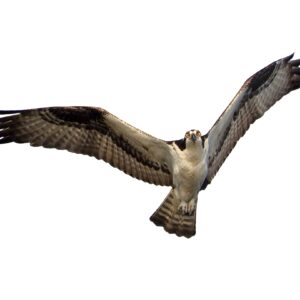
“The osprey dives into the water feet-first and emerges with a fish in its talons — one of the reef’s most spectacular aerial moments.”
Osprey – The Great Barrier Reef’s Master Fisher of the Skies
This page belongs to the Seabirds category
Quick Facts About the Osprey Great Barrier Reef
• Scientific name: Pandion cristatus (Eastern Osprey); some authorities treat it as Pandion haliaetus cristatus
• Also known as: Eastern Osprey. Elsewhere sometimes called fish hawk or sea hawk
• Found in: Coastal regions, reef islands and tropical waters
• Diet: Almost entirely live fish
• Length: 50–65 cm
• Wingspan: Up to 1.8 metres
• Conservation status: Least Concern (IUCN, global)
• Best chance of sighting: Coral cays, reef islands and coastal headlands of the Great Barrier Reef
What Is an Osprey?
The Osprey Great Barrier Reef sightings are a thrilling moment for visitors exploring reef islands and coral cays. Ospreys are powerful birds of prey famous for their incredible fishing abilities. These birds hover high above the ocean before plunging feet-first into the water to capture fish.
Recognised by their white underside, dark eye stripe and long narrow wings, Ospreys are perfectly adapted for coastal life. Their specialised talons and reversible outer toes allow them to grip slippery fish as they rise back into the air.
Ospreys play an important role in coastal ecosystems. As skilled fish hunters, they help maintain balance within marine food chains and are often considered indicators of healthy ocean environments.
Scientific Classification
• Kingdom: Animalia
• Phylum: Chordata
• Class: Aves
• Order: Accipitriformes
• Family: Pandionidae (some Australian lists place ospreys within Accipitridae)
• Genus: Pandion
• Species: Pandion cristatus (also treated as Pandion haliaetus cristatus)
• Conservation Status (IUCN): Least Concern (assessed as part of the worldwide Osprey)
• Protection: Listed Migratory and Listed Marine species under the national EPBC Act, and protected in the Great Barrier Reef Marine Park.
Where Do Ospreys Live on the Great Barrier Reef?
Ospreys are fairly common along the Queensland coast and around continental islands, particularly where fish are plentiful. They are seen only occasionally on trips to outer reef cays.
Typical habitats include:
• coral cays and reef islands
• coastal headlands and cliffs
• mangrove estuaries
• navigation towers and reef markers
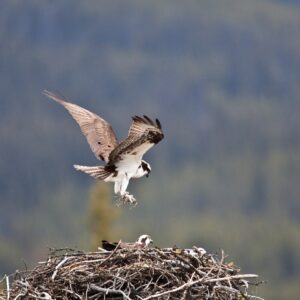
These birds often build large stick nests on elevated structures overlooking the ocean.
Visitors may occasionally see Ospreys while travelling on Cairns Reef Tours or Port Douglas Reef Tours, especially near coral cays and reef islands where fish are plentiful.
What Do Ospreys Eat?
Ospreys are specialist fish hunters and feed almost entirely on marine fish.
Their diet commonly includes:
• reef fish
• mullet
• small pelagic fish
• reef lagoon species
They hunt by flying slowly above the water before diving feet-first to grab fish near the surface. After catching prey, Ospreys rotate the fish so it faces forward in flight, reducing wind resistance as they carry it to a perch or nest.
This remarkable hunting behaviour makes them one of the most fascinating birds to observe around reef environments.
Can You See an Osprey on a Reef Tour?
Yes, Ospreys are occasionally spotted on Great Barrier Reef tours, particularly around reef islands and coral cays.
Visitors may see them:
• soaring above reef lagoons
• diving to catch fish
• perched on navigation towers or trees
• nesting on coastal cliffs or islands
Because reef tours travel through diverse marine habitats, wildlife sightings like these are always possible.
When exploring the reef and observing wildlife, it is important to follow responsible guidelines. Our Reef Safety Tips explain how visitors can enjoy the reef while protecting marine life.
Explore Great Barrier Reef Tours from Cairns
Interesting Facts About the Osprey Great Barrier Reef
- Ospreys are one of the few birds of prey that feed almost entirely on fish.
- Their outer toe can rotate backwards, helping them grip slippery prey.
- Ospreys hunt by circling or hovering over the water, then plunging feet-first to snatch fish near the surface.
- They often return to the same nesting site for many years.
- Their nests can grow over a metre wide after repeated use.
- Ospreys are found on every continent except Antarctica.
- Their keen eyesight allows them to detect fish beneath the water’s surface.
Osprey Conservation on the Great Barrier Reef
Although Ospreys are not currently endangered, protecting their nesting sites and coastal habitats remains important.
Potential threats include:
• habitat disturbance
• coastal development
• pollution
• climate change affecting fish populations
Fortunately, many nesting areas within the Great Barrier Reef Marine Park are protected, helping ensure these impressive birds continue to thrive.
Protecting nesting islands and marine habitats is essential for seabirds like the Brown Booby. Visitors can learn more about how the reef is protected by exploring our Reef Conservation guide.
Animals Commonly Seen With Ospreys
Visitors exploring reef islands may also see:
• White-bellied Sea Eagles
• Crested Terns
• Sea Turtles
• Reef Fish
These species share the same productive reef environments where fish populations attract both seabirds and marine predators.
Many reef tours visit coral cays and reef lagoons where seabirds are commonly seen. Explore our Dive Site Directory to learn more about the incredible reef locations across the Great Barrier Reef.
Learning about reef animals in class? We help schools, universities and study groups plan educational trips to the Great Barrier Reef. Depending on the program, groups can enjoy guided snorkelling and marine biology presentations.
Great Barrier Reef Educational Groups →
Frequently Asked Questions – Osprey Great Barrier Reef
Are Ospreys common on the Great Barrier Reef?
Are Ospreys dangerous to people?
What do Ospreys eat on the Great Barrier Reef?
Where is the best place to see Ospreys?
Can you see an Osprey on a reef tour?
Discover the Osprey Great Barrier Reef Experience
Seeing an Osprey Great Barrier Reef hunting above turquoise waters is an unforgettable wildlife encounter. These remarkable birds demonstrate the powerful connection between marine life and coastal ecosystems across the reef.
From coral islands to tropical lagoons, the Great Barrier Reef offers extraordinary opportunities to experience wildlife both above and below the water.
Explore more reef wildlife:
→ Compare Reef Tours
→ Reef Animals Hub
Great Barrier Reef Tours




A Hot Getaways destination. Where Care is Our Compass.