
Best Time to Visit the Great Barrier Reef
Last updated October 2026
This guide is reviewed regularly to reflect seasonal conditions, marine life activity and visitor travel patterns.
Quick answer: For most visitors the best time is June to October, the heart of the dry season (May to October), with sunny days, low humidity and the clearest water. Winds usually ease and the water warms from September to November. November to May is stinger season, so wear the full-body stinger suit your tour provides. Reef tours run all year, and it is wise to leave a spare day in case weather moves your tour.
Know your dates? Check availability for the Reef Experience day tour from Cairns, a full day at two outer reef sites with snorkelling, a buffet lunch and an included dive (no experience needed). Or compare reef tours from Cairns, Port Douglas and the Whitsundays.
The Great Barrier Reef Month by Month
| Month | Weather | Highlights | Stinger season |
|---|---|---|---|
| January | Hot, humid, wet season | Turtle hatchlings on southern reef islands | Yes, wear a stinger suit |
| February | Wettest month | Turtle hatchlings on southern reef islands | Yes, wear a stinger suit |
| March | Wet season easing | Quieter boats | Yes, wear a stinger suit |
| April | Fewer showers | Quieter, good value | Yes, wear a stinger suit |
| May | Dry season begins | Fewer crowds before winter | Yes, usually the last month |
| June | Dry, cooler, trade winds stronger | Dwarf minke whales on the Ribbon Reefs, humpbacks begin | No, but follow crew advice |
| July | Dry, peak school holidays | Minke and humpback whales | No, but follow crew advice |
| August | Dry, clear water | Humpback whales | No, but follow crew advice |
| September | Winds easing, warming | Humpback whales, lighter winds | No, but follow crew advice |
| October | Warm and calm before the wet | Coral spawning may begin | No, but follow crew advice |
| November | Warm, build-up to the wet | Coral spawning, turtle nesting begins (southern reef) | Yes, wear a stinger suit |
| December | Hot, wet season begins | Turtle nesting (southern reef) | Yes, wear a stinger suit |
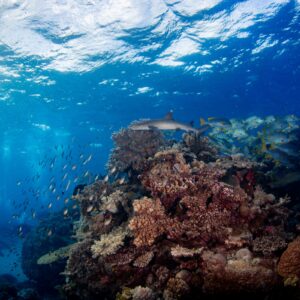
The Best Time to Visit the Great Barrier Reef
- The Best time to visit the Great Barrier Reef. The reef enjoys over 300 days of sunshine each year.
- Water temperatures stay between 23°C and 29°C year-round.
- Visibility is highest in winter due to reduced plankton.
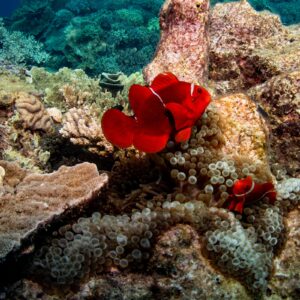
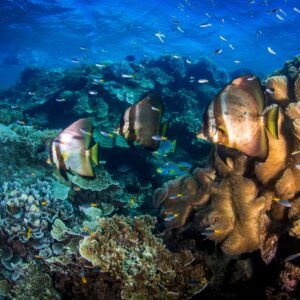
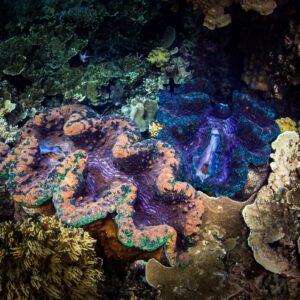
- Summer brings vibrant coral growth and colourful fish activity.
- Whale watching peaks in July and August.
- Green turtles nest and hatch between November and April.
- The reef stretches over 2,300 kilometres, offering year-round options from the Whitsundays to Cape York.
When is the Best Time to Visit the Great Barrier Reef?
The Great Barrier Reef is beautiful year-round, but the best time to visit depends on what kind of experience you want. From calm, clear winter waters to warm tropical summer days, each season brings its own magic.
From May to October, the dry season, the weather is mostly dry and sunny with excellent visibility — ideal for snorkelling, scuba diving, and sailing. This is also the peak tourism season, when conditions are calm, humidity is low, and underwater visibility can reach up to 20–30 metres.
If you prefer fewer crowds and warmer water, November to May is also an excellent time to go. The summer months bring lush green rainforest, vibrant coral spawning, and the chance to see baby turtles hatch along the coast.
Great Barrier Reef Travel Seasons
-
- Warm Water Season (November – April)
- Warmer water, vibrant coral
- Stinger season (November to May): wear the full-body stinger suit your tour provides
- Fewer crowds, lush tropical scenery
Dry Season and Peak Travel (May – October)
-
- Cooler days, lower humidity
- Excellent visibility
- Whale migration season
The Seasons of the Great Barrier Reef
Summer (December – February):
Warm seas averaging 29°C, great for swimming and snorkelling in a stinger suit. Expect short tropical showers that refresh the rainforest and make the scenery glow. Coral spawning happens in early summer, and marine life is thriving.
Autumn (March – May):
Calm seas return, and the weather is mild and pleasant. This is a quieter time to visit, with beautiful sunsets and fewer boats on the reef. Excellent visibility for diving continues through these months.
Winter (June – August):
Crystal-clear water and dry weather make this the classic reef season, though south-easterly trade winds can make crossings choppier. You might spot migrating humpback whales or playful minke whales along the outer reef. Air temperatures are comfortable, around 25°C during the day.
Spring (September – November):
A perfect balance of warm air and water, with light winds and great conditions for sailing. Marine life is active, and underwater photographers love this time of year.
Wildlife and Marine Highlights by Season
- Turtle nesting: November to February (mainly on southern reef islands such as Lady Elliot and Heron).
- Baby turtles hatching: February to April.
- Coral spawning: usually October to December, a few nights after a full moon, with dates varying each year.
- Minke whales: June and July, mainly in the Ribbon Reefs north of Cairns.
- Humpback whales: June to September as they migrate along the Queensland coast.
- Every month brings something special — the reef truly never sleeps.
Wet vs Dry Season Explained
The dry season (May–October) offers low humidity, sunny skies, and excellent visibility. Most visitors choose this time for day tours and liveaboards.
The wet season (November–April) is warmer, greener, and more tropical. While occasional rain showers pass through, they’re usually short-lived, and you’ll enjoy warm water temperatures perfect for snorkelling. It’s also the best time for underwater photography, as soft corals and anemones bloom in full colour.
Best Time for Reef Tours and Activities
- Snorkelling and scuba diving: Best from June to November.
- Sailing and liveaboards: Year-round, but calmest from September to November.
- Scenic flights: Best visibility from July to October.
- Island escapes: Great all year — choose tropical resorts in summer or sailing holidays in winter.
Reef Tours for Every Season



FAQs About the Best Time to Visit
When is the weather best for snorkelling?
Can you visit the Great Barrier Reef in summer?
Are reef tours affected by the wet season?
When can I see turtles and whales?
What’s the water temperature like?
Summary
The best time to visit the Great Barrier Reef truly depends on what you’d love to see.
For clear skies and calm seas, plan your trip between June and October. For lush landscapes, warm waters, and active marine life, visit between November and May.
Whether you snorkel, sail, or dive, the Great Barrier Reef is spectacular in every season — a living natural wonder waiting to be explored.




0 Comment on "Best Time to Visit the Great Barrier Reef"
There are no comments yet
Add a comment