

“Beauty at this scale is not decorative — it is structural. The reef does not simply look beautiful. It is beautiful, all the way down.”
Seven Reasons the Great Barrier Reef Stops People in Their Tracks
The Great Barrier Reef is regularly described as one of the most beautiful places on earth. But “beautiful” is a word that gets worn thin by overuse, so it is worth being specific about what, exactly, makes this place so extraordinary — so that people who have not yet been there can understand what they are missing, and those who have been can articulate what moved them.


1. The Colour of the Water
The water of the Great Barrier Reef is not just clear — it is coloured in ways that change with depth, with the reef below, with the angle of the sun, and with the presence or absence of clouds. Over sandy shallows, it is the palest turquoise imaginable. Over reef structure, it deepens to jade and emerald. In the channels between reefs and islands, it becomes a deep, rich cobalt. No single photograph captures the range of colour the reef presents in a single day.
2. The Life Beneath the Surface
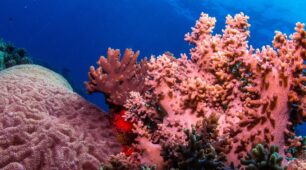
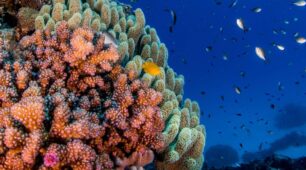
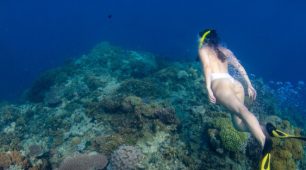
The complexity of the reef beneath the waterline is genuinely staggering to first-time snorkellers. The sheer density of living things — coral formations in dozens of shapes and colours, hundreds of fish species moving through the water, invertebrates attached to every available surface — creates a visual experience that the brain struggles to process all at once. Most people spend their first few minutes in the water simply stopping and staring.
3. The Scale of the Place
The Great Barrier Reef is 2,300 kilometres long. This fact is impossible to comprehend while standing in the water at any single reef site — and that impossibility is part of what makes it beautiful. Every point of access offers a complete and magnificent experience, while the knowledge that the reef extends for thousands of kilometres in both directions adds a quality of overwhelming vastness that is humbling in the best possible way.
4. The Islands
The reef’s islands — coral cays and continental islands both — range from tiny sand spits barely above the waterline to forested peaks rising from the sea. Each has its own character. Some are loud with nesting seabirds. Some are calm enough to hear your own breathing on the beach. Some are national parks. Some have resorts. All of them are extraordinary in the particular way that an island surrounded by reef water on all sides is extraordinary.


5. The Wildlife
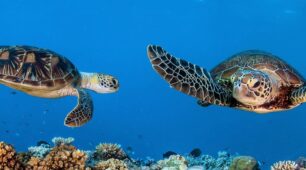
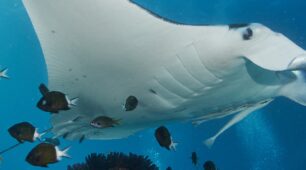
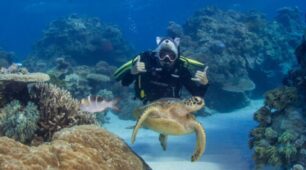
Sea turtles drifting past without concern. Reef sharks moving through sunlit water. A manta ray gliding beneath a catamaran. A sea eagle dropping from a headland to collect a fish. The reef’s wildlife is not shy, not distant, and not curated. It simply goes about its life, in close proximity to visitors who are fortunate enough to be present.
6. The Relationship Between Sea and Sky
The sky above the Great Barrier Reef has a quality of its own — the way tropical light sits differently on open water, the way clouds build in the afternoon over warm ocean, the way sunsets turn the whole Coral Sea a hundred shades of gold and orange. The reef at sunset, from the deck of a vessel or the edge of an island beach, is one of the most spectacular visual experiences the natural world provides.
7. The Age of It All
The Great Barrier Reef has been building for hundreds of thousands of years. The corals growing today are the descendants of corals that predate human civilisation. The sea turtles navigating these waters follow migration routes they have followed for millions of years. Standing in the middle of this, even briefly, produces something that is not just aesthetic appreciation — it is something closer to awe at the sheer duration and persistence of life.


A Hot Getaways destination. Where Care is Our Compass.
FAQs
Why is the Great Barrier Reef considered so beautiful?
Is the Great Barrier Reef one of the Seven Natural Wonders of the World?
What makes the water on the reef so colourful?
What is the best way to appreciate the reef's beauty?
What marine life will I see on the Great Barrier Reef?
