
“Raine Island is the most significant green turtle nesting site in the world. Remote, protected, and extraordinary — even from a distance.”
Raine Island – The World’s Most Important Sea Turtle Nesting Site
Raine Island Great Barrier Reef is one of the most extraordinary wildlife locations in Australia. Located in the remote northern section of the reef, this protected coral cay is famous as the largest green sea turtle nesting site in the world.
Every year, tens of thousands of green sea turtles return to Raine Island to lay their eggs on its sandy shores. This remarkable natural event makes the island one of the most important marine conservation sites on the planet.
While the island itself is closed to visitors to protect its fragile ecosystem, Raine Island plays an essential role in the story of the Great Barrier Reef and highlights the incredible wildlife that thrives within this World Heritage–listed marine park.
Visitors exploring the reef from Cairns, Port Douglas, or the Whitsundays can still experience the beauty of nearby reefs and islands that form part of the same extraordinary ecosystem.
Raine Island Great Barrier Reef Highlights
-
- The largest green sea turtle nesting site in the world
- Located in the remote far northern Great Barrier Reef
- A protected national park and scientific research site
- Surrounded by pristine coral reefs and rich marine life
- Important nesting habitat for thousands of seabirds
- Home to the Raine Island Recovery Project, a major conservation initiative
- One of the most significant wildlife locations on the entire Great Barrier Reef
What Makes Raine Island Special
Raine Island is globally famous for its green sea turtle rookery, which supports the largest population of nesting turtles anywhere on Earth.
During nesting season, thousands of turtles gather around the island, creating one of nature’s most impressive marine events. Female turtles return to the beach where they were born to lay their eggs in the soft coral sand.
The island is also home to large colonies of seabirds and sits within a pristine section of reef that supports a wide variety of marine life.
Because of its ecological importance, Raine Island is protected within the Great Barrier Reef Marine Park and is managed in partnership with scientists, conservation groups, and Traditional Owners.
You can learn more about the reef’s turtles on our guide to Green Sea Turtles on the Great Barrier Reef and other species such as the Hawksbill Sea Turtle and Loggerhead Sea Turtle.
Where is Raine Island?
Raine Island lies in the far northern section of the Great Barrier Reef, approximately:
-
- 620 km north of Cairns
- Near the edge of the Coral Sea
- Close to the remote Ribbon Reefs
The island itself is relatively small, covering around 27 hectares, but its impact on global marine conservation is enormous.
This remote region of the reef is rarely visited and remains one of the most untouched environments in the entire marine park.
Top Attractions of Raine Island
Although visitors cannot land on Raine Island, the surrounding region is rich in natural wonders.
Green Sea Turtle Nesting
Raine Island hosts the largest green sea turtle nesting population in the world, with tens of thousands of turtles arriving each year.
Seabird Colonies
The island provides nesting grounds for many seabirds including noddies, terns, and frigatebirds.
Pristine Northern Reef Ecosystems
The surrounding reefs contain healthy coral systems and abundant marine life.
Important Conservation Work
The Raine Island Recovery Project is helping protect turtle nesting areas and improve survival rates for hatchlings.
Exploring Raine Island
Although tourism is not permitted on the island itself, adventurous travellers can explore nearby reef systems through:
-
- Liveaboard dive expeditions
- Remote reef snorkelling trips
- Northern reef dive sites
- Multi-day sailing or dive adventures
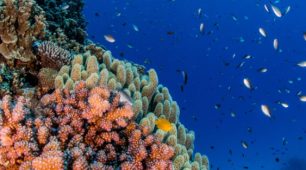
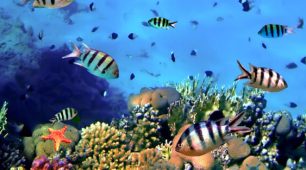
These experiences allow visitors to see the incredible marine life and coral ecosystems that make the Great Barrier Reef so special.
Liveaboards visiting the northern reef sometimes explore famous dive areas such as the Ribbon Reefs and the legendary Cod Hole.
Best Time to Visit Raine Island Region
The northern Great Barrier Reef is best explored during the dry season from May to October.
During these months visitors can enjoy:
-
- Calm seas
- Excellent underwater visibility
- Warm tropical temperatures
- Ideal conditions for diving and snorkelling
Green sea turtle nesting season at Raine Island generally occurs between November and March, when thousands of turtles return to lay eggs.
Day Trips from Raine Island
Due to its extremely remote location, day trips to Raine Island are not possible.
However, visitors can easily explore the Great Barrier Reef from several popular gateways:
-
- Cairns – the main departure point for reef tours and snorkelling trips
- Port Douglas – gateway to the beautiful Agincourt Reef system
- Whitsundays – famous for island sailing adventures and Whitehaven Beach
These locations provide easy access to incredible reef experiences while protecting sensitive environments like Raine Island.
Plan Your Trip to the Great Barrier Reef
Planning a trip to the Great Barrier Reef opens the door to one of the world’s most spectacular marine environments.
Popular reef experiences include:
-
- Snorkelling vibrant coral reefs
- Scuba diving with tropical marine life
- Visiting tropical reef islands
- Sailing across turquoise waters
- Scenic helicopter flights over the reef
Many reef tours depart daily from Cairns, Port Douglas, and the Whitsundays, making it easy to experience this natural wonder.
FAQs About Raine Island Great Barrier Reef
Can tourists visit Raine Island?
Why is Raine Island important?
Where is Raine Island located?
24
When do turtles nest on Raine Island?
What is the Raine Island Recovery Project?
Discover Great Barrier Reef Tours

A Hot Getaways destination. Where Care is Our Compass.